

Oops… it looks like this page has moved.
Do a quick search to find what you were looking for here:
Or check out our most popular books below!
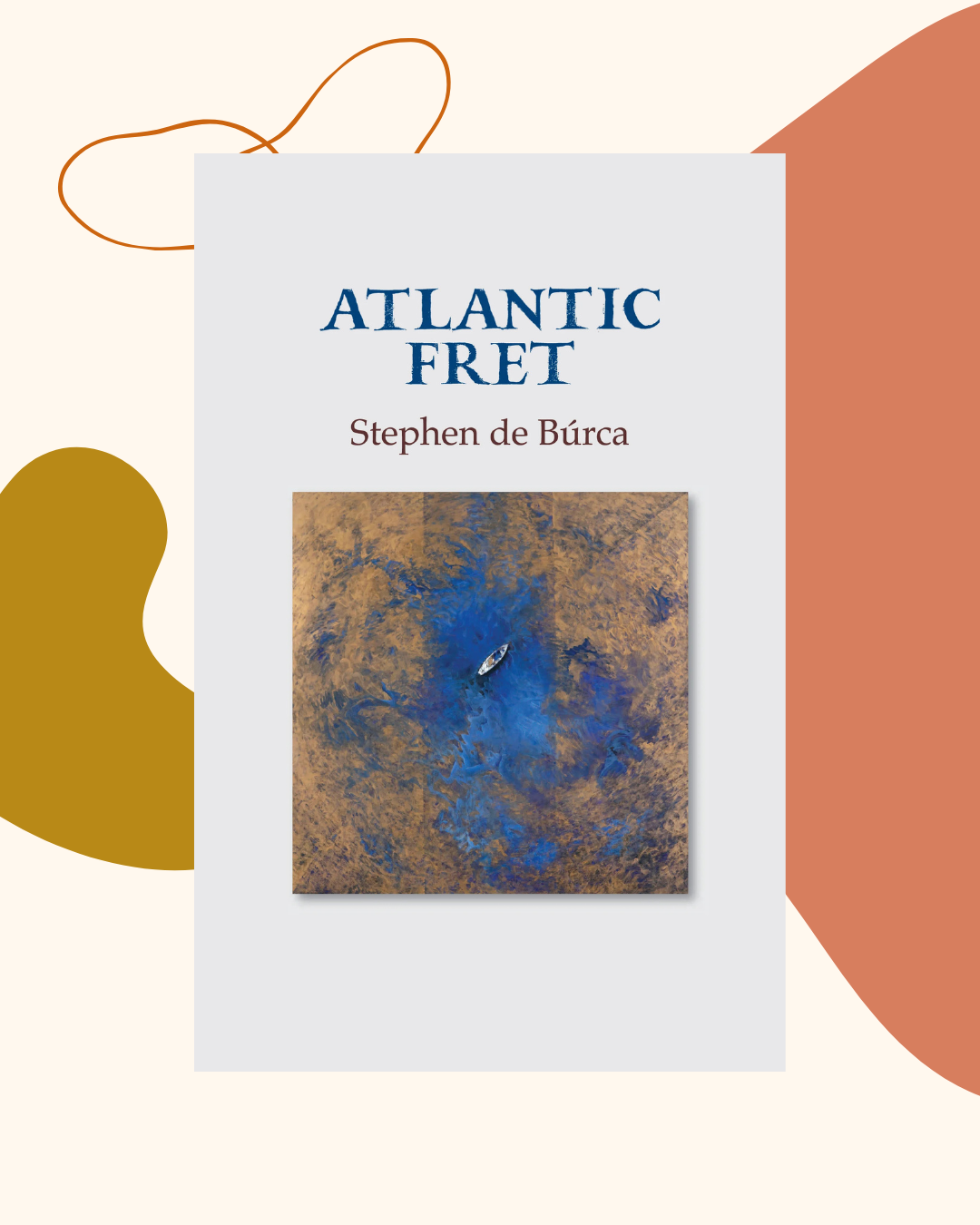
Atlantic Fret unveils a focus, indeed a constancy of purpose, uncommon in a first collection. From the Blasket Islands in the opening poem to Iceland — the book concluding with adaptations of an Icelandic modernist classic — Stephen de Búrca embraces the idea of the Atlantic Ocean as the source of chaos from which the Cosmos grew. Against the backdrop of climate change the Ocean shares the burden of grief while offering a space for sexual freedom and self-expression.
In its impressive range of formal attainment, including the elegiac title sequence and the imaginative ‘Tide Clock’ sequence, Atlantic Fret reveals a writer sensitively attuned to inner and outer tensions, ‘to what the reeds, / curving like fishing rods, might be reeling in — // the shadows of small fish, the currents / at odds with one another, the river coming to terms / with sea water’. The result is a poetry collection that is genuinely affecting.
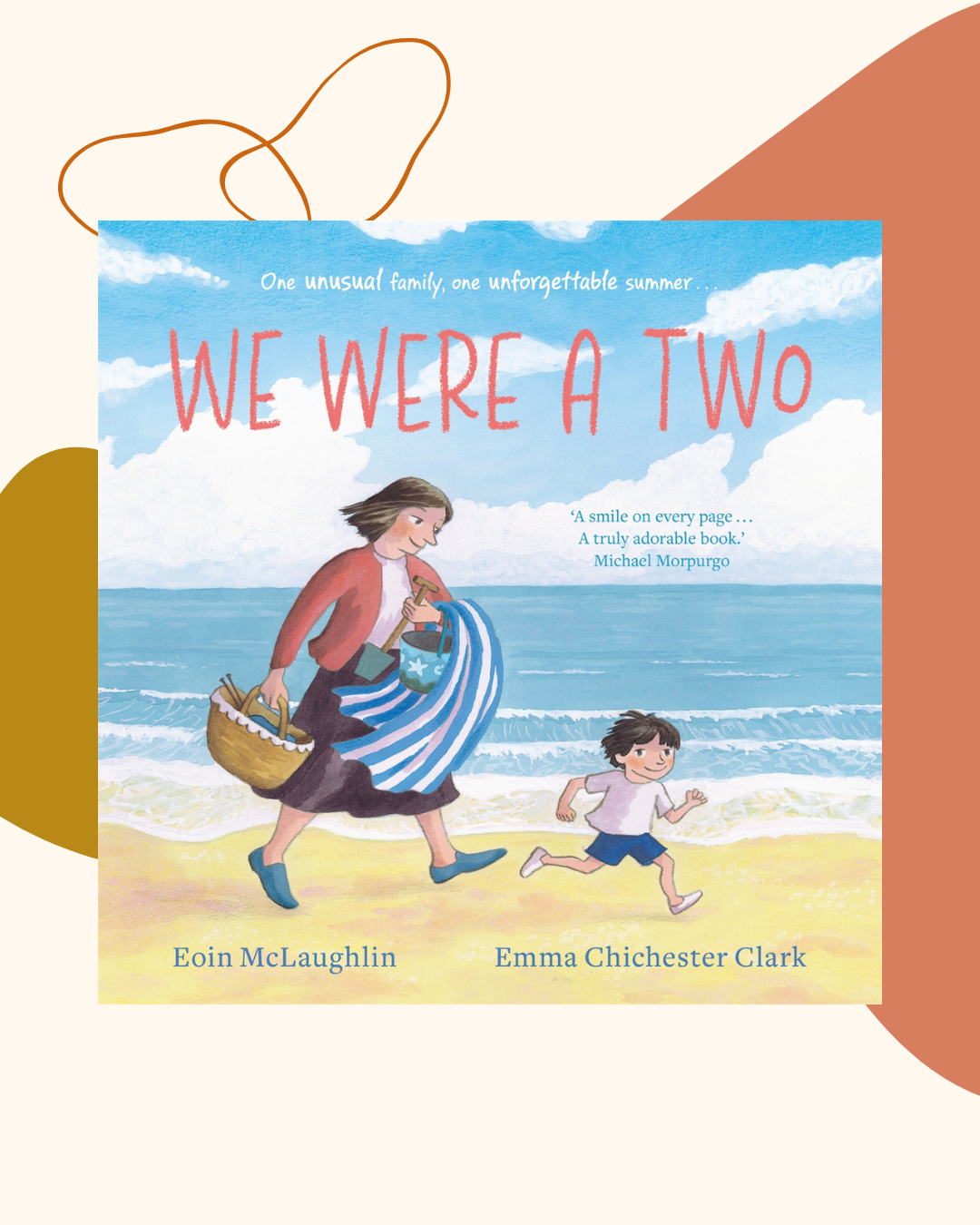
The caravan was in a field behind a hedge.
And beyond the hedge was the sea. The caravan smelled old and damp. The caravan smelled like you were on holiday.
Eoin lives with his Nana, and every year they make their way to their caravan for the whole of the summer.
There Eoin has the freedom to go off with his friends for hours on end, and to roam the beach.
One day the waves come up really high - will they get through to the other side? A warm, cosy story full of laughter and adventure about one epic summer spent in a caravan. An homage to alternative families, based on the author's own childhood.
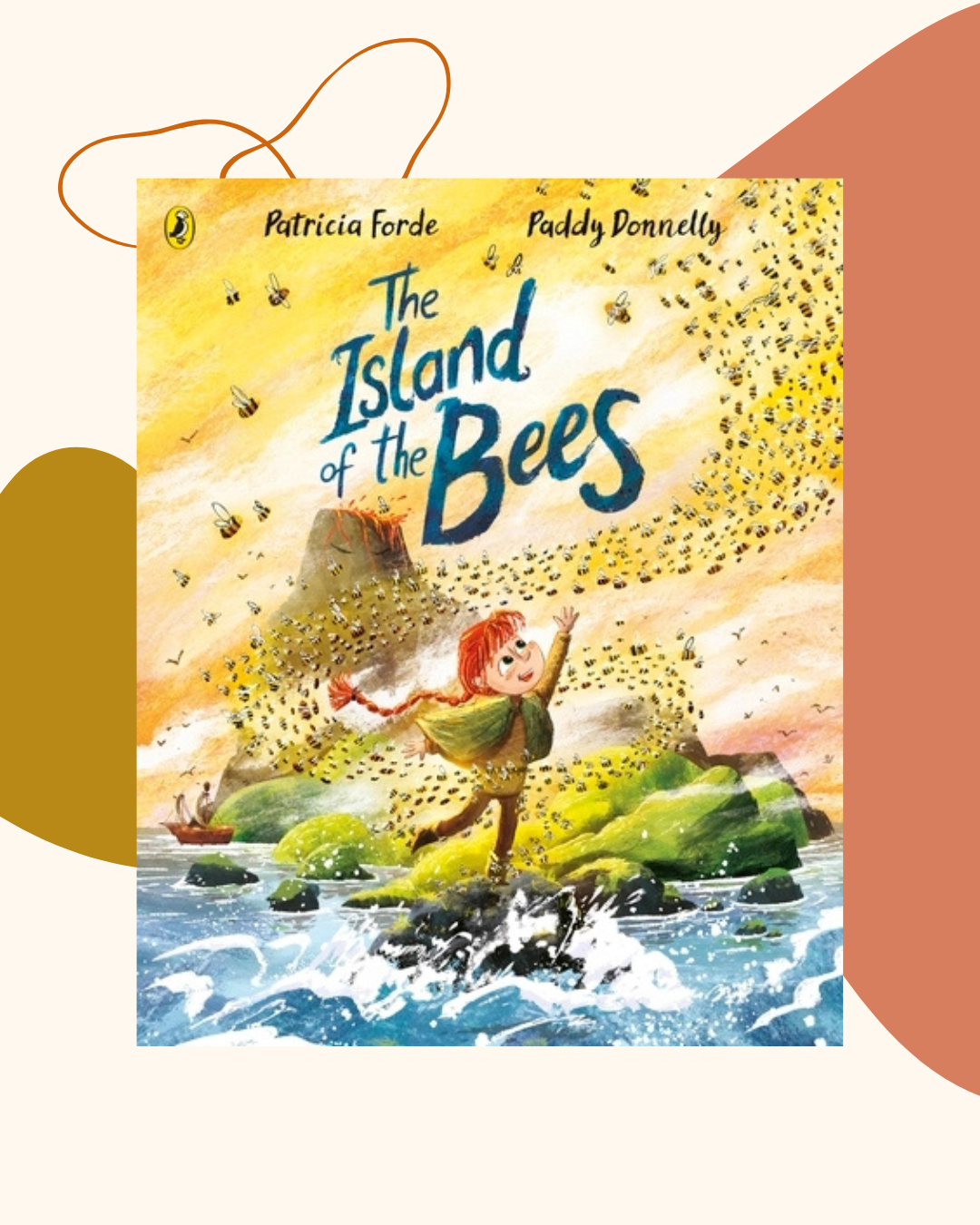
An epic tale of volcanoes, dragons and wild storms, with themes drawn from Irish legend. Written by the current Irish Children's Laureate, this is a celebration of the magic of bees and the power we can all draw from the natural world. Nestled on a peaceful island, Orla and her grandmother live tending their beloved bees.
But bubbling below is a monster waiting to surface – a dormant volcano – and when it wakes Orla and the rest of the island must flee in search of safety. Orla adventures across the wild sea, guided by her buzzing friends, to find a new home. But what will they find over the horizon?
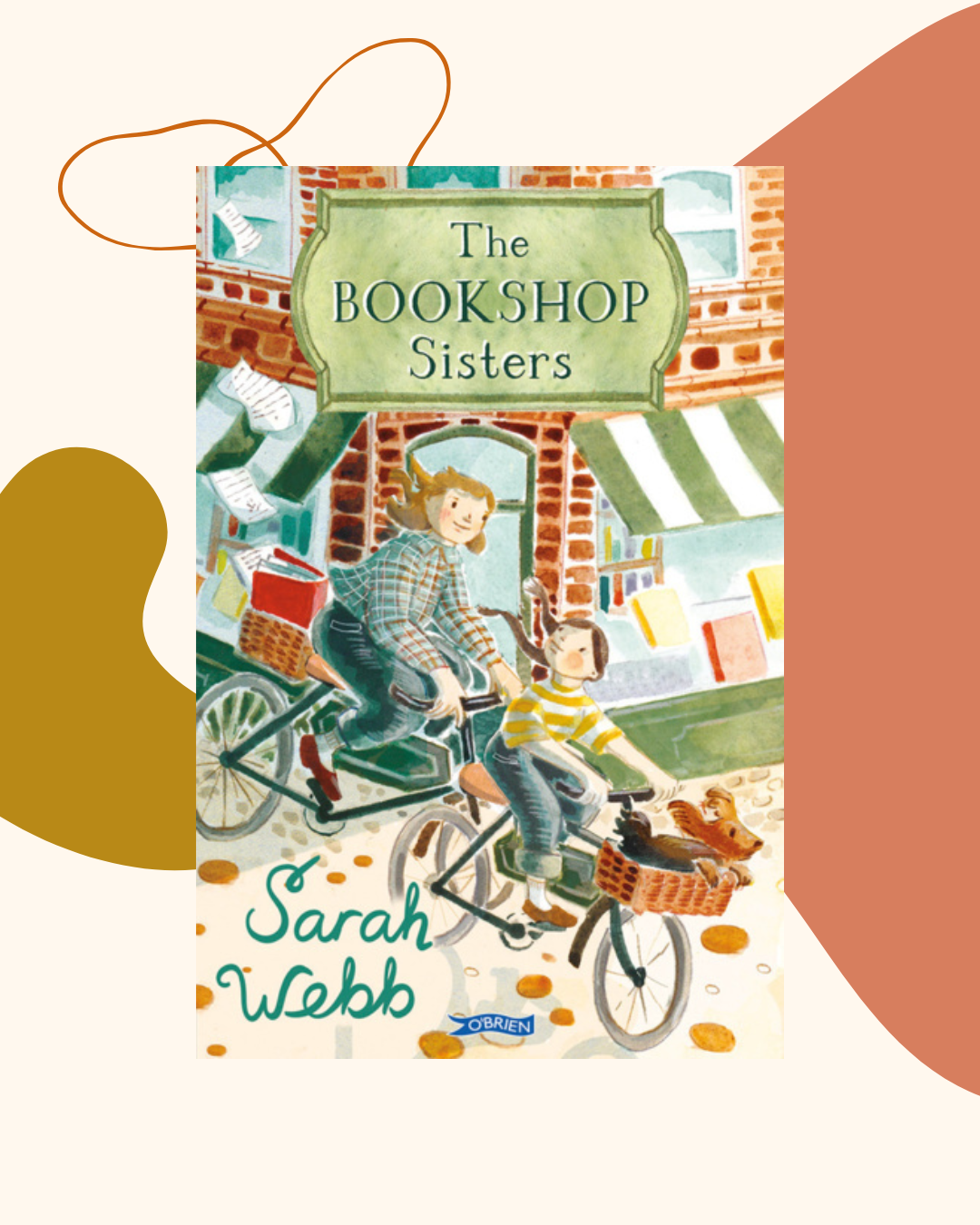
A story of sisterhood, secrets and standing up for what you believe in from the award-winning author of The Little Bee Charmer of Henrietta Street and The Weather Girls.
It’s 1956. When thirteen-year-old bookworm Rosy Heron and her big sister Martha are sent to Dublin to help their aunt Toto in her busy bookshop for the summer, their quiet lives change overnight. The two sisters quickly become part of the Baggot Books team as junior booksellers and bicycle delivery girls.
But the bookshop is also full of secrets. Where does their aunt disappear to at night, and what exactly is happening in the basement of the shop? Rosy is determined to solve the mystery, but she’s not the only one interested in the goings-on in Baggot Books …
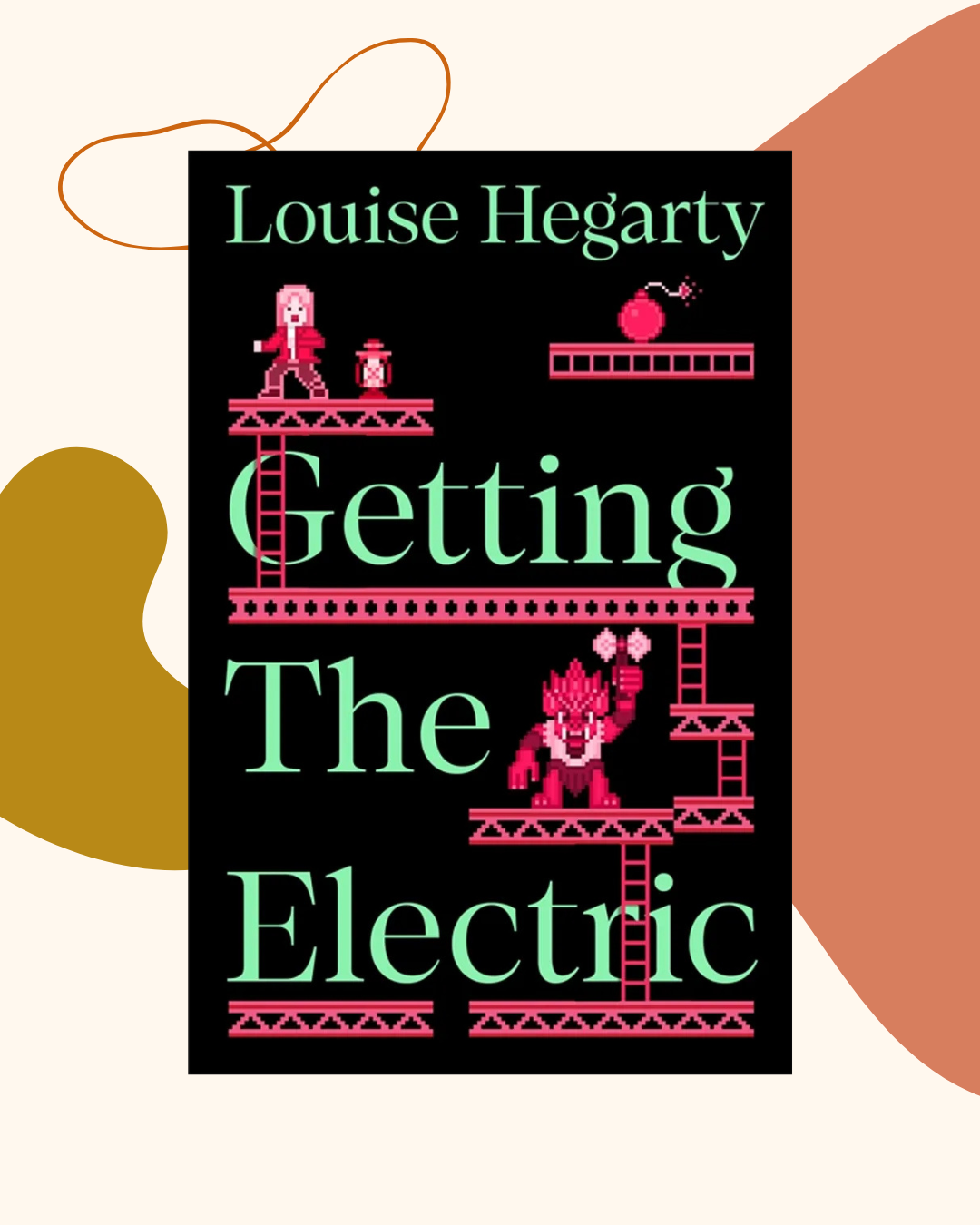
Are you ready to play? Have you ever found yourself doom-scrolling, worrying about that weird pain in your leg, only to have your plans for the day completely trashed by the appearance of a literal axe-wielding troll? What about that time you came across a perfect double of yourself in the street? Or the gorilla suit you put on one day only for it to fuse with your skin? When those children went missing from your village, did you know for sure it was the electricity that took them? And down in the basement of your ancestral family home, what is it that’s making that
…THUMP
…THUMP
...THUMP
Bold, funny, and wild, Louise Hegarty’s debut collection will turn you upside down and inside out, if it doesn’t take you apart completely.
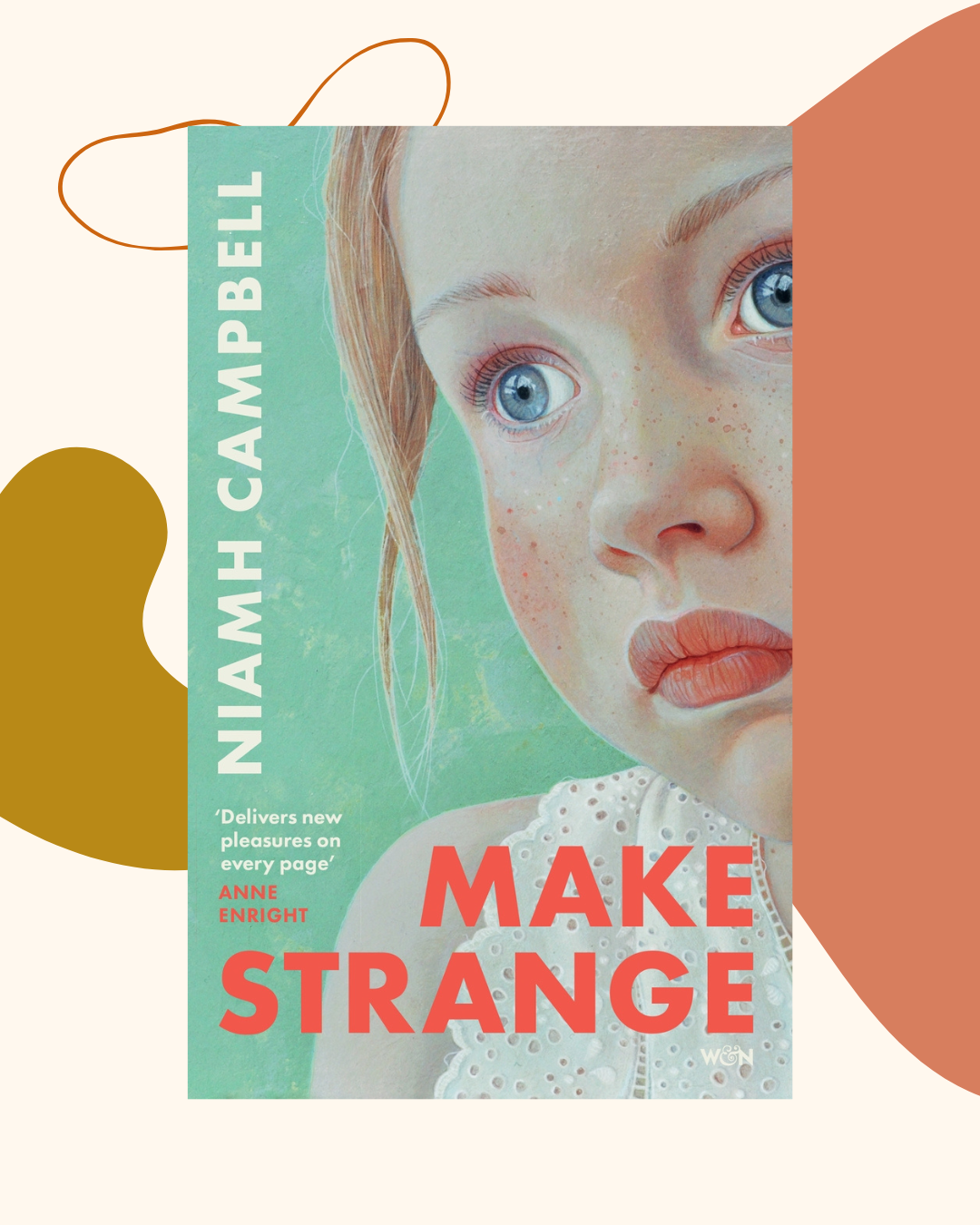
It begins on an orange afternoon, cool but ruminant, close to Halloween. Sunny, only four years old, looks up from the tub of toys in the living room and asks, 'Mama, do you remember when I died?' Over the strange, strained year that follows, Sunny will refer repeatedly to her previous lives - and how they ended. Her parents Lena and Odhran, who tumbled into family life after an accidental pregnancy and a hasty registry office wedding, are left desperate for answers.
Is their child suffering from disassociation, a psychological disorder or something more? Has she absorbed their own haunted histories - Lena's experience as an indie musician in the era of sleaze, or the shady legacy of madness in Odhran's family? Can we ever really protect our children? What if we can't? From the multi-award-winning author of This Happy and We Were Young, comes a shimmering, propulsive novel about maternal concern, childhood imagination, past lives and present loves.
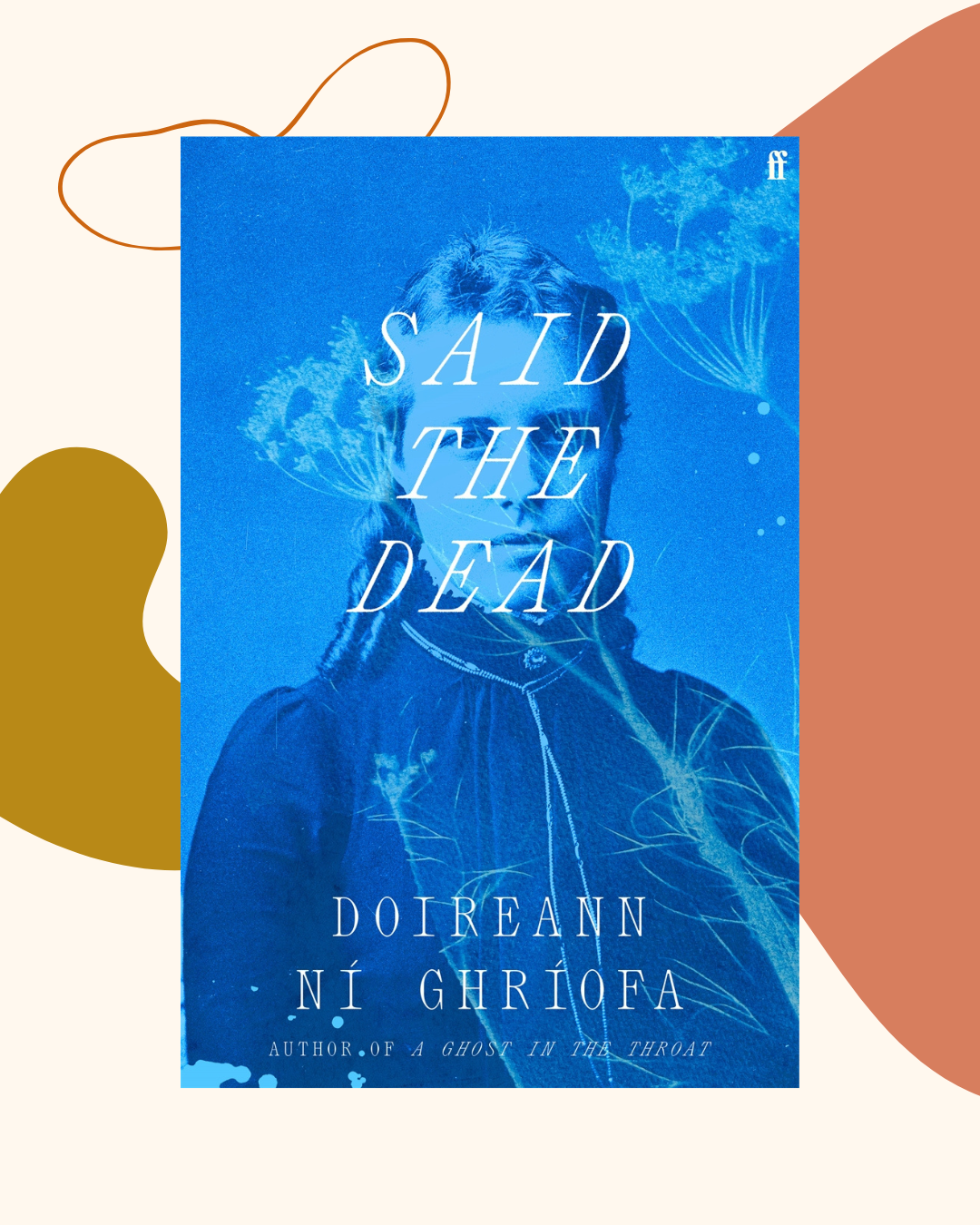
The more she learned, the more certain she became: this other world was alive and true and trembling, and very close to her own. Now she had a secretIn the city of Cork, a derelict Victorian mental hospital is being converted into modern apartments.
One passerby has always flinched as she passes the place. Had she lived in another time, she too might have found herself held within those walls. Now, she notices a sign: FOR SALE.
It is the first of many signs. Guided by an irresistible impulse, she follows them. Soon, she is trespassing, stealing, absconding from the routine of mother, spouse, daughter, as she uncovers a chorus of startling voices: those of the women who knew the hospital best.
They murmur from archives and old records. They haunt from stairwells and walls. In them - and in one figure in particular -- she may find meaning and solace, righteous anger, salvation even.
Or her final vanishing?A work of sublime intensity and tenderness, Said the Dead breaks the boundaries between worlds -- past and present, imagined and real, fact and fiction - to make something new and lasting: an experience full of danger, full of love and full of truth.
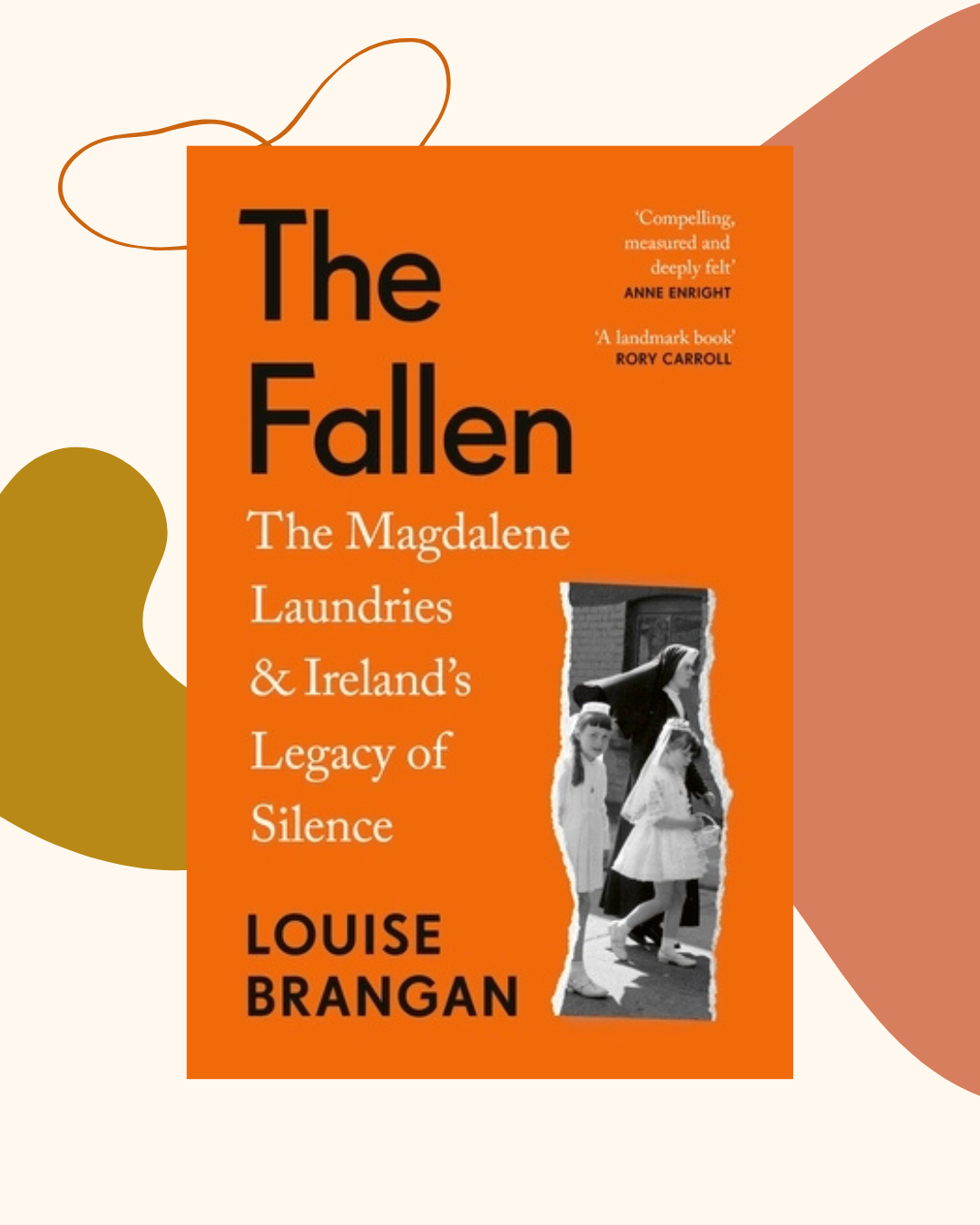
Published to coincide with the thirtieth anniversary of the last Laundry’s closure, The Fallen is the forgotten story of the Magdalene Laundries, told through the voices of the women who endured them, the nuns who presided over them and the communities that lived alongside them. Unflinching and compassionate, Louise Brangan draws on archives and survivors’ testimonies to dismantle long-held myths about what the Laundries were, who was sent to these places of violence and secrecy, and why.
As we move from the past into the present, Brangan compels us not only to confront this shameful history, but to ask a deeper question: what do we choose to remember?
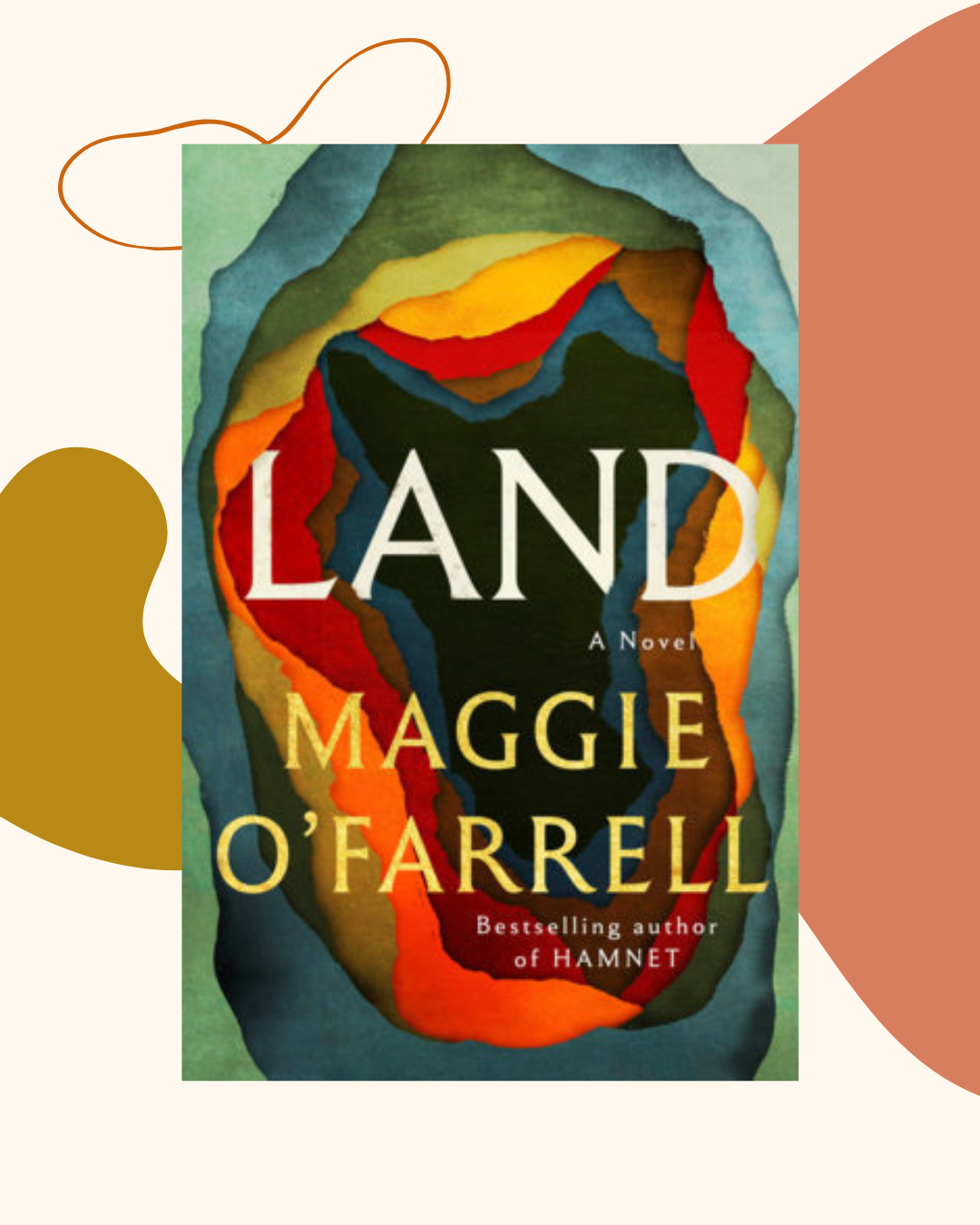
On a windswept peninsula stretching out into the Atlantic, Tomás and his reluctant son, Liam, are working for the great Ordnance Survey project to map the whole of Ireland.
The year is 1865, and in a country not long since ravaged and emptied by the Great Hunger, the task is not an easy one. Tomás, however, is determined that his maps will be a record of the disaster. The British soldiers in charge are due to arrive any day, expecting the work to be completed, but Tomás is sent off course by an unsettling encounter in a copse.
His life, and those of his family, will never be the same again. Liam is terrified by the sudden change in his taciturn father. What was it that caused such cracks to open in Tomás and how is Liam, aged only ten, going to finish the mapping, and get them both home?Land is a story of buried treasure, overlapping lives, ancient woodland, persistent ghosts, a particularly loyal dog, and how, when it comes to both land and history, nothing ever goes away.
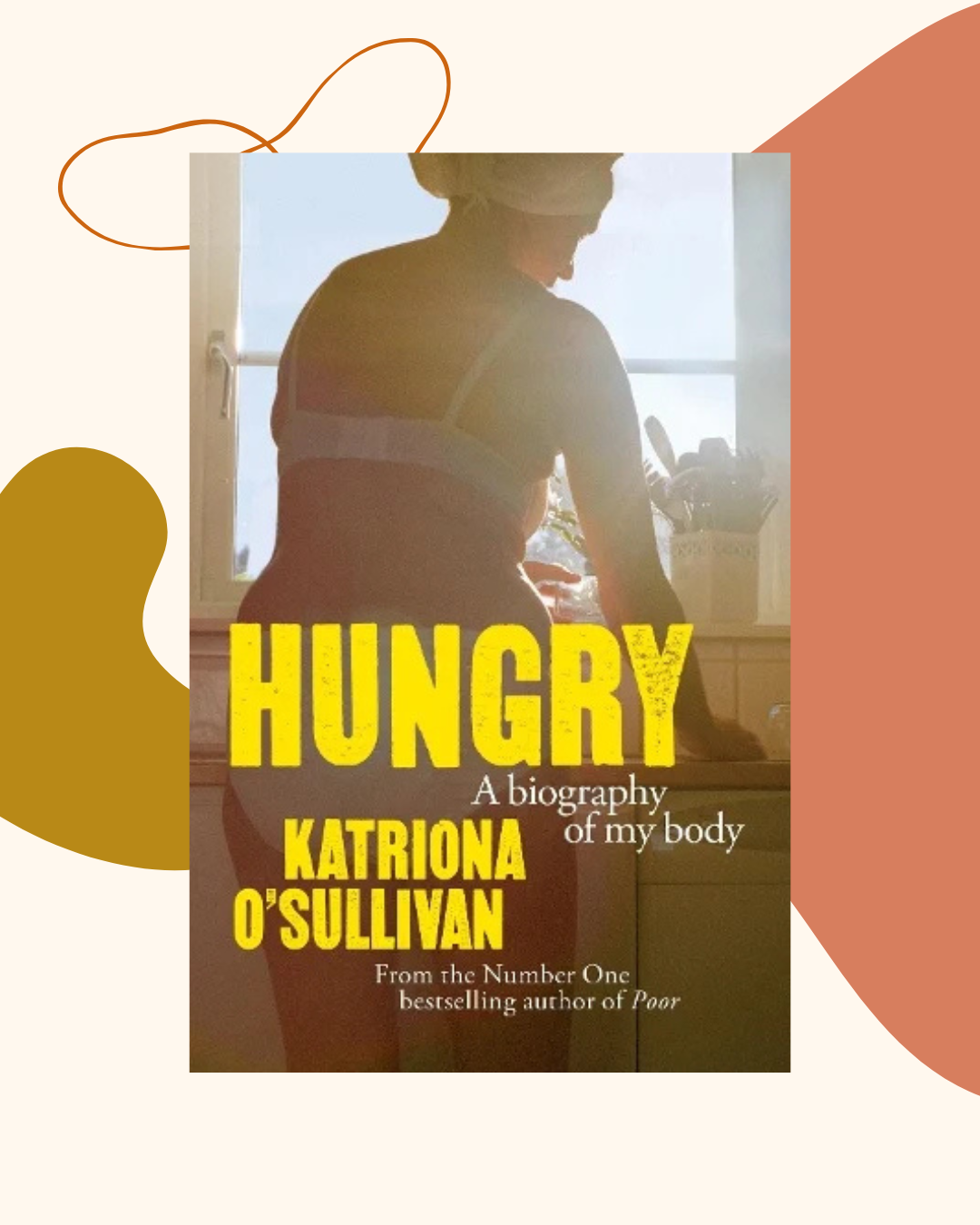
Hungry is the powerful new memoir from Number One bestselling author Katriona O'Sullivan - a raw, courageous exploration of survival, identity and the lifelong search for self-acceptance. Raised in a home marked by poverty, addiction and abuse, Katriona defied the odds: from teenage motherhood struggling with her own addictions to becoming a university professor and successful author. But beneath the achievements lay a more private struggle - with her body, her worth, and the unrelenting drive to be enough.
In this fiercely honest memoir, she interrogates how trauma, class and gender shape the way women see themselves - and how society teaches them to measure their value. Told with stunning courage and vulnerability, Hungry is both a personal reckoning and a powerful reclaiming of body, voice and self. It is one woman's story - and a rallying cry for every woman who has ever felt she had to shrink to survive.
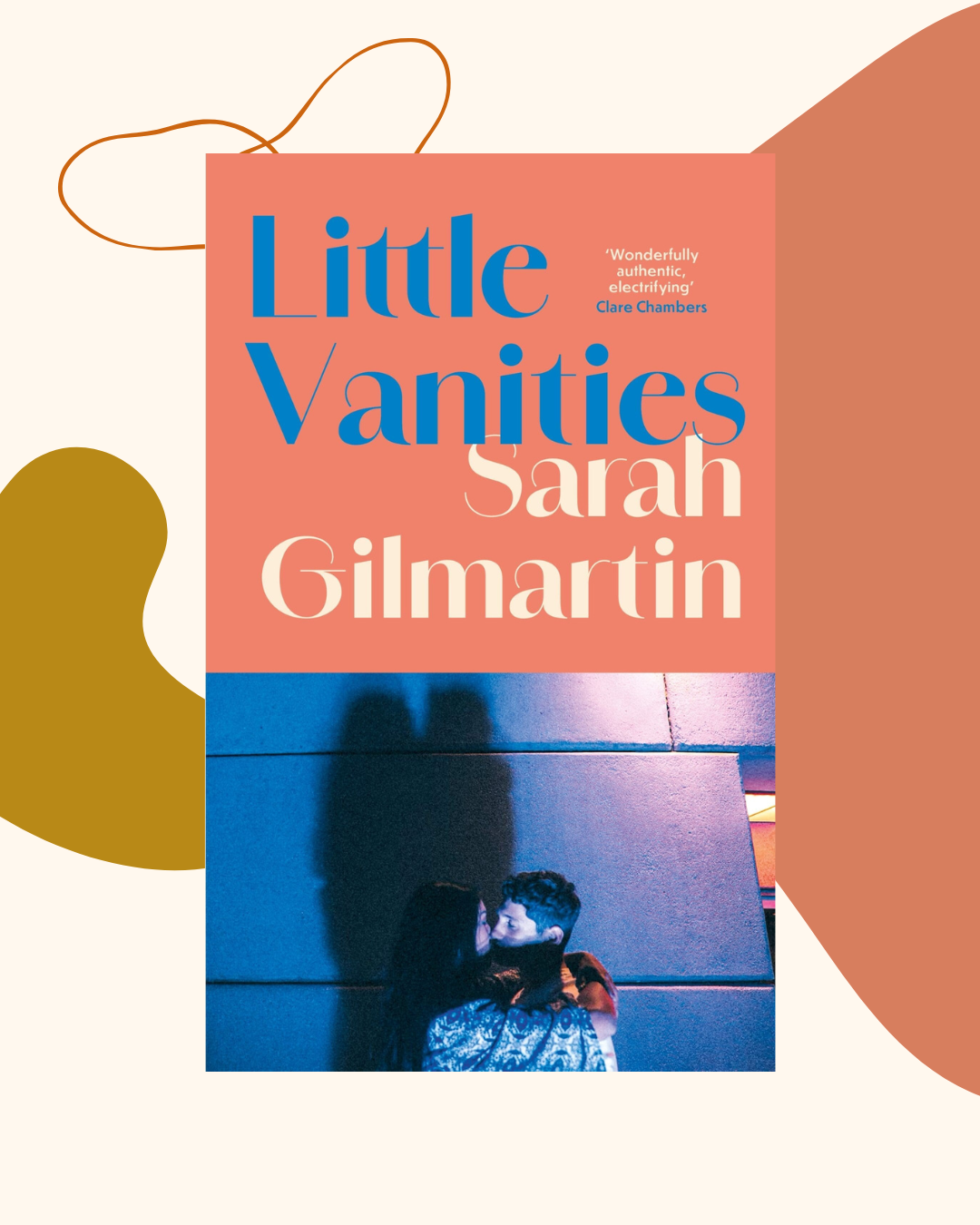
Dylan, Stevie and Ben have been inseparable since their days at Trinity, when life pulsed with possibility. A single glance can still summon their younger selves: dancing beneath flashing lights, salt on their skin after swims in Dublin Bay.
Two decades later, their dreams have faltered. Dylan, once a rugby star, is stranded on the sofa, tended by his wife, Rachel.
Across town, in their new build, Stevie and Ben's relationship has settled into an airless routine. Then, after countless auditions, Ben lands a role in Pinter's Betrayal.
As rehearsals unfold, the play's shifting loyalties seep into reality, stirring old jealousies and awakening forbidden longings, as each must confront how far they are willing to go in pursuit of desire.
Wry, sexy and deftly observed, Little Vanities is a novel about the perilous thrill of stepping outside the roles we've been given-and the distance between the lives we imagined and the ones we find ourselves living.
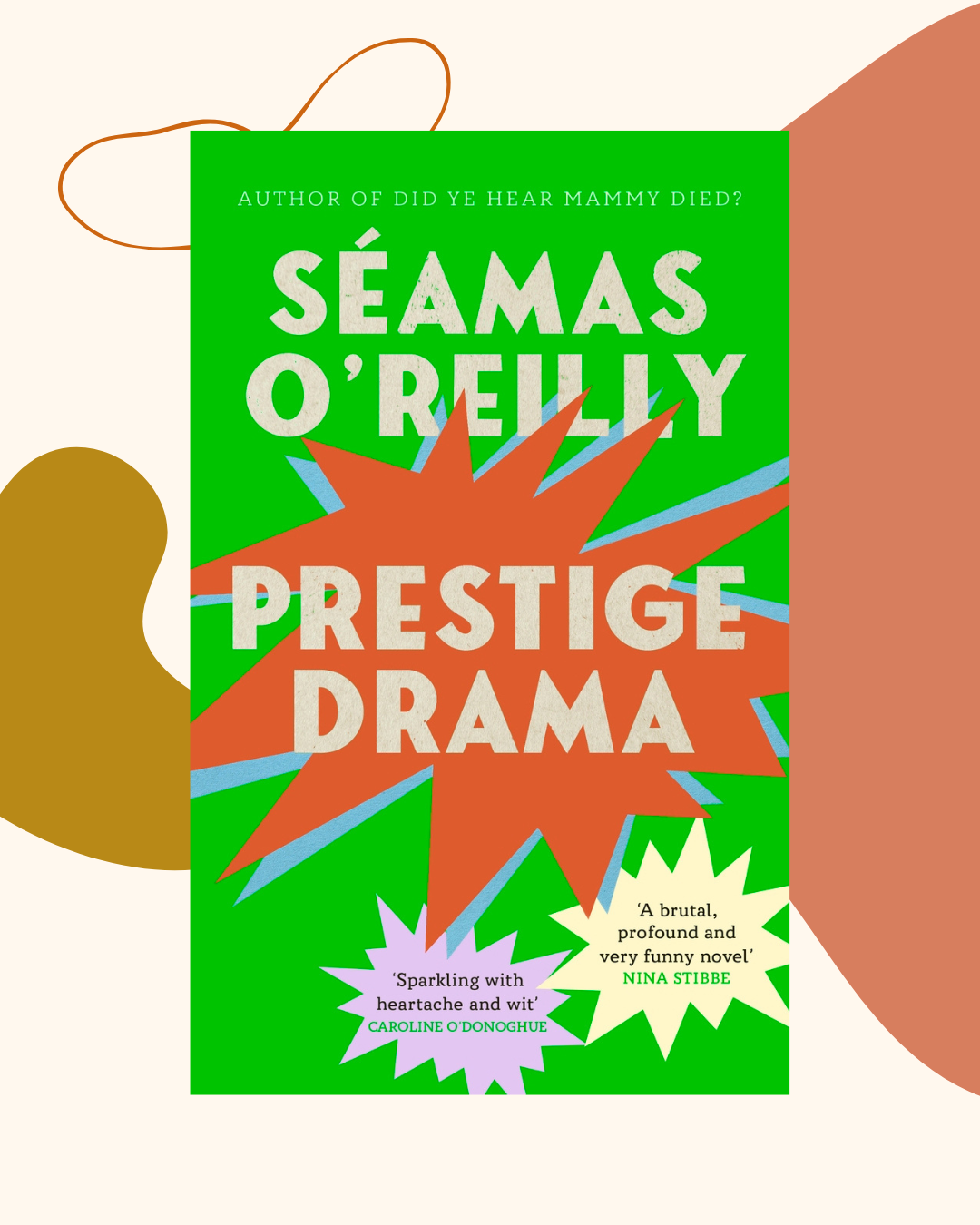
Derry is already abuzz with news that famous American actor, Monica Logue, has flown to the city and will be starring in a new series set during the Troubles.
And then she goes missing . . .
All eyes are on Diarmuid, the flaky scriptwriter who was the last to see Monica alive. From budding young actors hoping for a role to grieving parent whose story forms the backbone of the narrative; newspaper editors covering the mystery to taxi drivers hearing all the news from their clients, Prestige Drama follows the city's cast as they all try to locate themselves in Monica's disappearance. Séamas O'Reilly's debut novel is a comedy about dramatising tragedy, and the responsibilities of a teller to a tale.
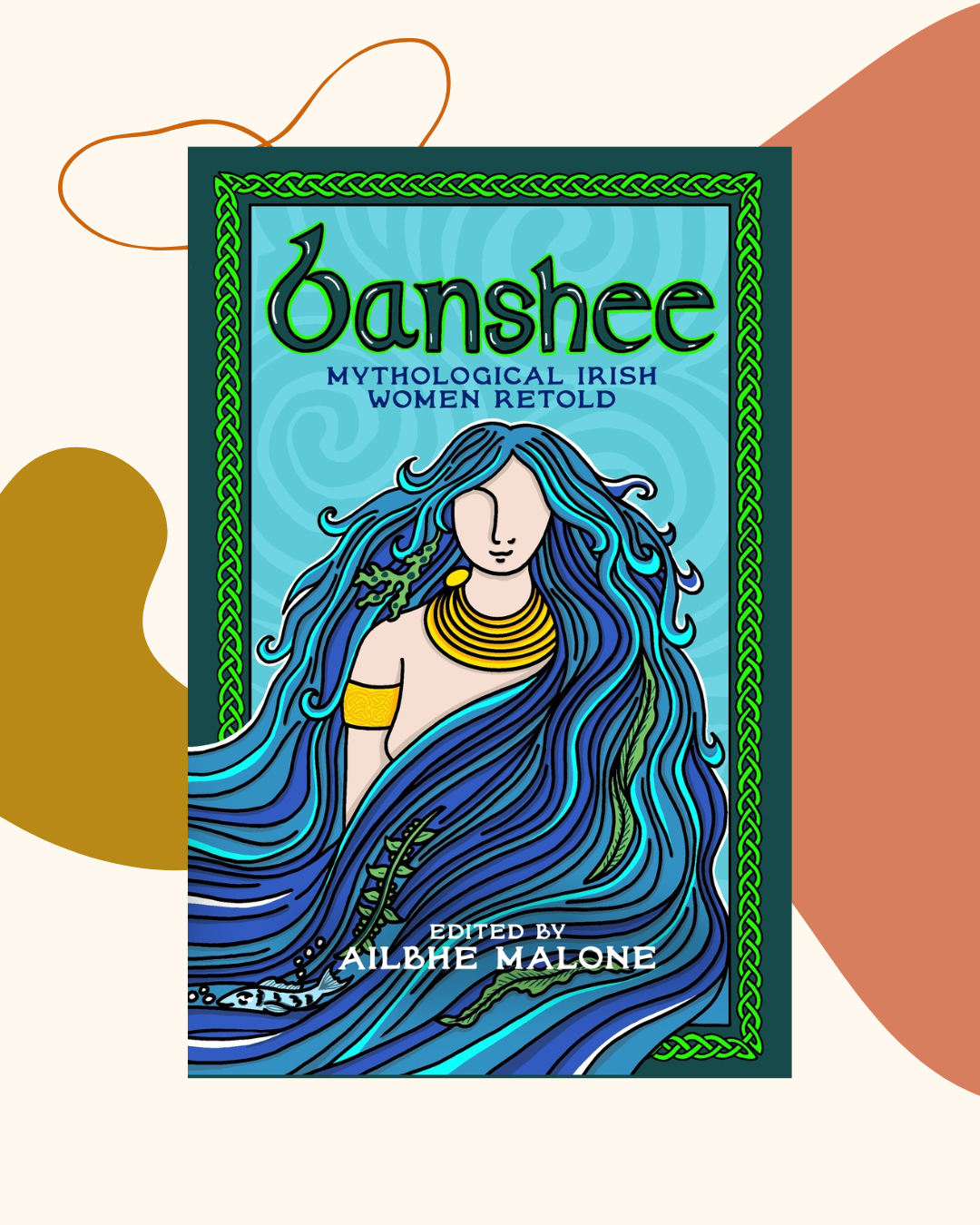
In this spellbinding anthology, Ireland's most electrifying female writers breathe new life into ancient Irish myths, reclaiming the stories of women who have too long stood in the shadows of warriors and kings. Editor and journalist Ailbhe Malone was raised on these legends - but the women, always cast as mothers, warriors or witches, were never given the lead. And so, Banshee was born: not just a retelling but a radical reclamation.
Banshee transports you to treacherous landscapes and salt-crashing seas, generational curses and mystical islands. Here you'll find unruly mothers, rule-breaking queens, and women outrunning their destiny - stories pulsing with desire, danger and defiance. This is a celebration of womanhood - and an homage to the ancient stories that still shape us.
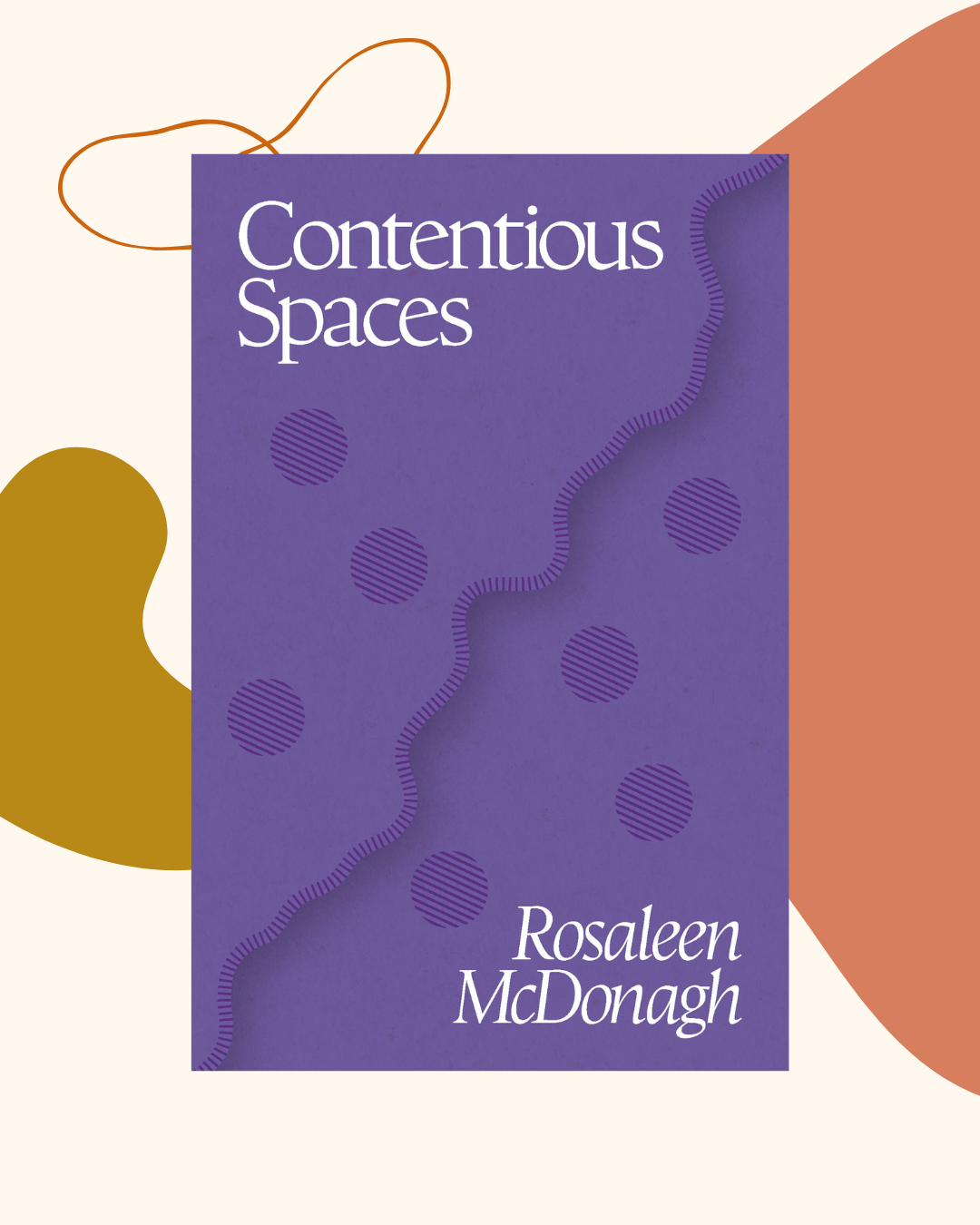
The Traveller families who live in Saint Rita’s are on borrowed time. In just a week they will be evicted by the local council, threatening not only their homes but also their history and the stories that have shaped them. Charlene, a proud young beoir suffers a humiliating betrayal.
Her mother, Kate, is left to navigate unbearable loss while holding the family together. Her cousin, Sheena, strives to find her place in a new environment that is quick to dismiss her. Her uncle Tommy fights despair as his teenage son spirals out of control.
As eviction day draws closer, the families struggle to preserve their dignity finding strength in one another as they navigate an unknown future. Unflinching, Contentious Spaces is a haunting story about identity and loyalty, shame and resilience, grief and love, and the defiant power of voices that refuse to be silenced.
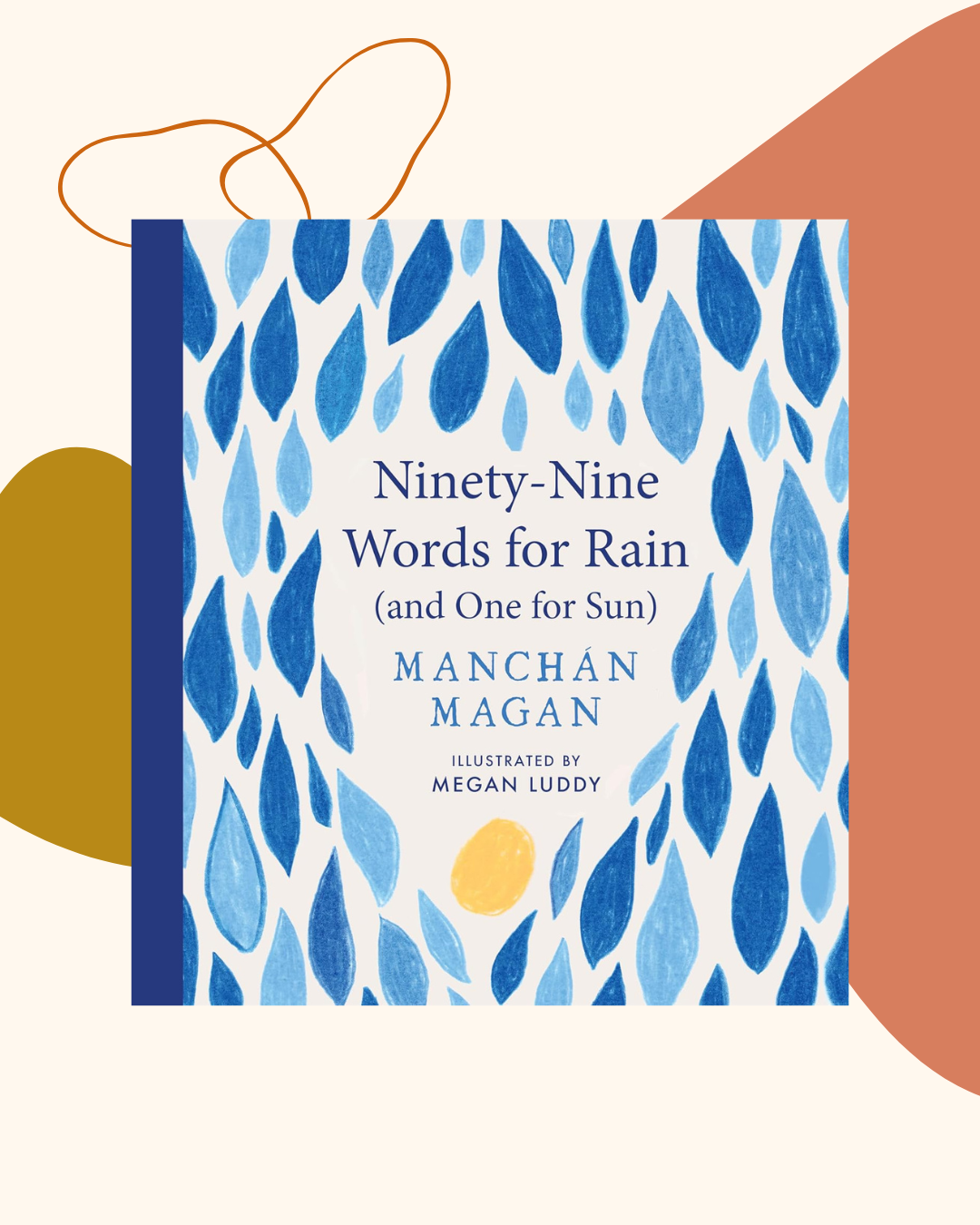
Meet the néaladóirí (cloud-watchers) and réadóirí (stargazers) from our past who, without the luxury of Met Éireann at their disposal, observed birds, trees, animals, as well as markers on land and sea for signs of weather change. The sheer richness and variety of terms they amassed reveal the closeness with which they observed the world around them. Swallows flying low foretold rain.
The heron’s behaviour offered many hints: Aimsir chrua thirim nuair a bhíonn an corr éisc suas in aghaidh srutha chun na sléibhte (when the heron flies upstream to the mountains the weather will be dry but rough). Fearthainn nuair a thagann sí an abhainn anuas (when she goes downstream, it will rain). Evoking countless sodden, shivery experiences on this Atlantic-swept island of ours, this beautifully illustrated gift book uses Irish words to grasp an almost-lost world through the wisdom stored in the Irish language.
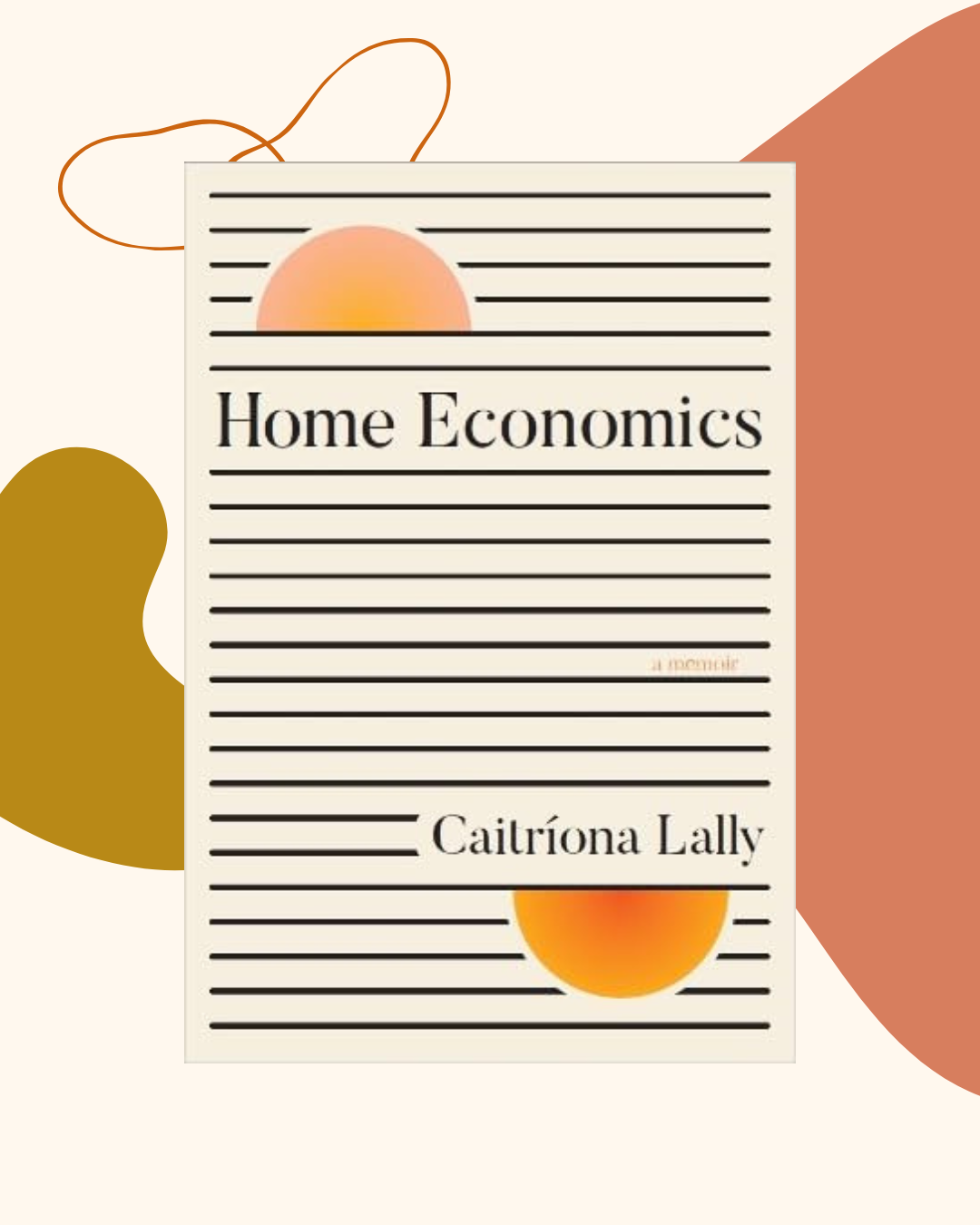
'Since I’ve had my first book published, I’ve earned more from cleaning than from writing. The home economics don’t add up.' Between 2015 and 2021 Caitríona Lally published her first two novels, Eggshells and Wunderland. To buy her time to write during those years, she returned to the housekeeping department at Trinity College Dublin, a job she enjoyed as a student.
This began a negotiation between the practical and creative demands of her life, further complicated when she became pregnant and downright baffling when the pandemic hit. At Trinity, Lally and her colleagues moved through empty, hallowed libraries, bonding over rude conference attendees. At home, she was raising two children who didn’t sleep.
And the success of her first book was making her second novel seem even more arduous. Amidst all this, it was cleaning work that brought her satisfaction – immediate and lasting. In her first memoir, Lally writes with honesty and humour about trying to solve the equation of mother + cleaner + writer.
Forward and thought-provoking, self-deprecating and soaked in her singularly frank voice, Caitríona Lally puzzles over personal economics, creativity and what 'success' and 'failure' really mean in this writer’s life.
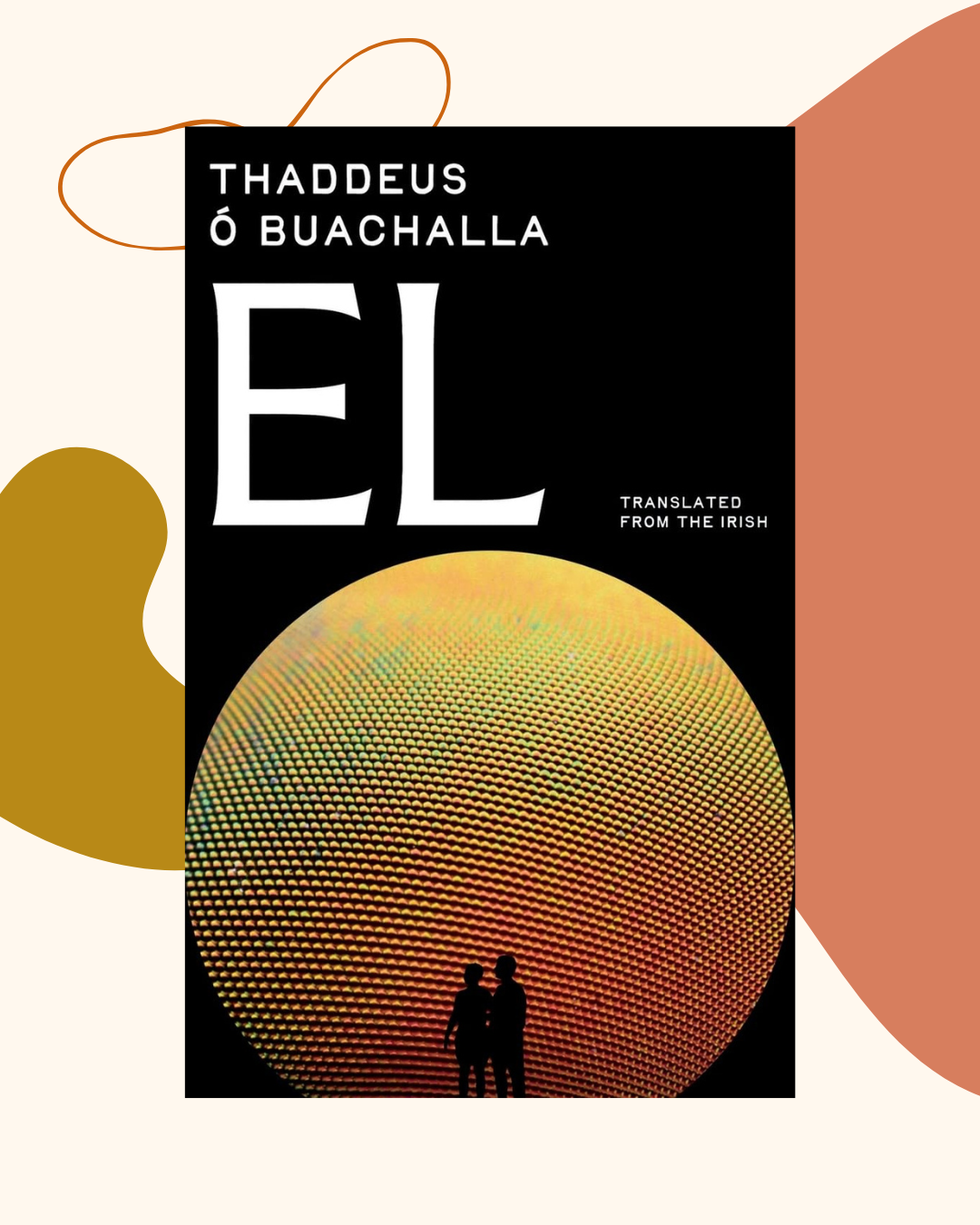
When Cork academic Seán kills an annoying fly and examines it under his flatmate's microscope, he makes a discovery that will shatter everything he believes about reality. What he sees in that tiny specimen launches him into a labyrinth of historical conspiracy, ancient texts, and dangerous secrets that powerful people have killed to protect.
As Seán and his fellow researchers dive deeper, they uncover evidence that this same discovery was made centuries ago by some of Europe's greatest minds—Galileo, Milton, Newton — only to be ruthlessly suppressed. From the scientific academies of 17th-century Amsterdam and Paris to the corridors of power in Renaissance Rome, a hidden truth has been carefully buried, one that challenges our understanding of human civilisation itself. But knowledge this profound comes at a price.
As the mystery deepens, Seán realises that some secrets have guardians who will stop at nothing to keep them hidden. In our age of deepfakes and social media deception, EL asks the most urgent question of our time: who controls reality? Part academic thriller, part historical mystery, EL is a mind-bending exploration of truth, faith and the price of knowledge that asks: what if everything we think we know about our place in the universe is wrong? Translated from Irish by the author, this award-winning work captures the authentic voice of contemporary Irish literature. This novel was first published in Irish by Coiscéim and was awarded Irish Language Novel of the Year at the An Post Irish Book Awards.
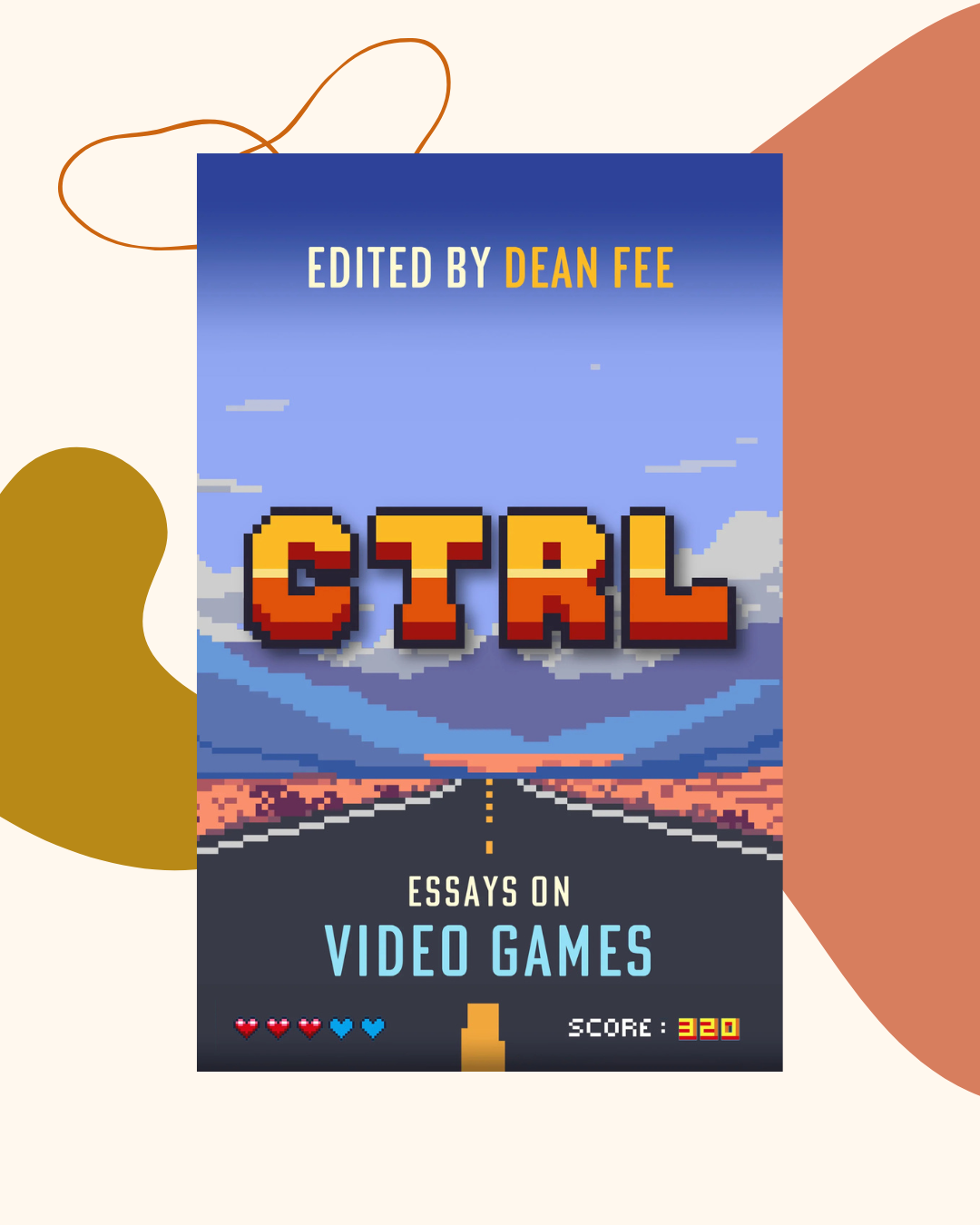
This anthology of personal essays explore how video games have shaped our lives, our cultural imagination and contemporary storytelling. From novelists and critics to game designers themselves, the writers in this collection ask the question, ‘Can video games truly be art?’ From triple-A, big budget blockbusters like Grand Theft Auto or Assassin’s Creed, to quiet, meditative Indie games like Journey or Stardew Valley, video games, like all artforms, offer us insight into ourselves and the world around us. They help shape our identities, introduce us to other ways of thinking, new languages, alternate worlds.
They can offer us escape. They can also offer us control. We reach back into the past to try and recapture the feeling of that first playthrough, the feeling of expanse, the feeling of control. Addiction is also touched on in these essays.
Video games can become a replacement for a much more dangerous addiction, and the writers tell us candidly how video games helped; wasted hours in virtual worlds, completing tasks that had no bearing on a real world they couldn’t quite deal with. These collected essays explore the good and the bad sides of gaming; how video games are used as a cypher, as a new way of looking at the world, and indeed the impact they have had on the lives of the writers themselves. Featuring contributions from acclaimed and emerging writers, both Irish and international - including Rob Doyle, John Patrick McHugh, Una-Minh Kavanagh, Brenda Romero, Sheila Armstrong, Roisin Kiberd, and more - this anthology is an exploration of one of the most influential cultural forms of our time.
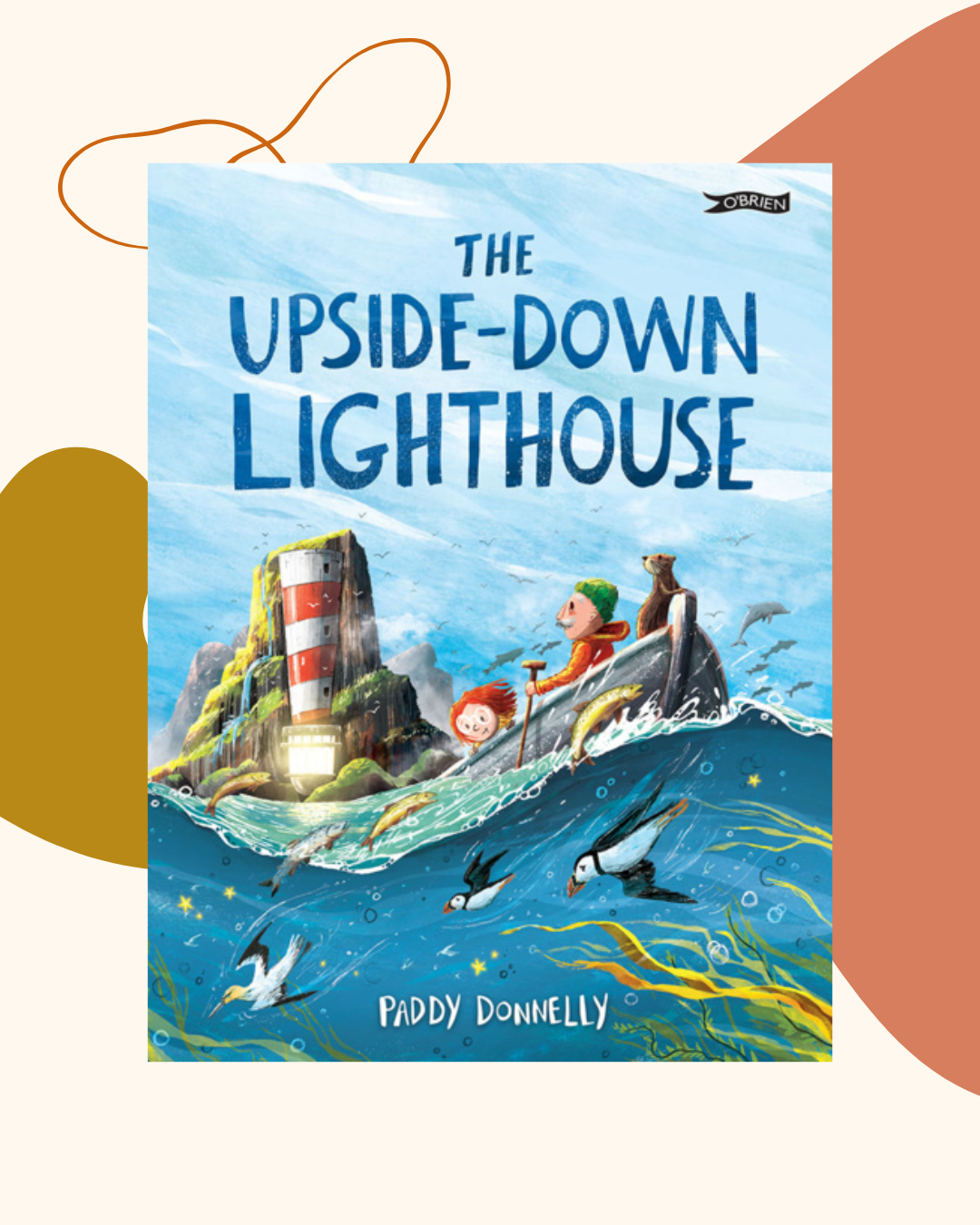
On a mysterious, foggy island, way out at sea, stands an upside-down lighthouse. Here, fish fly and birds swim. Stars shine during the day and waterfalls fall upwards!Come with Grandad and Meara to this topsy-turvy island full of wonders.
And share the magic of looking at the world upside-down!
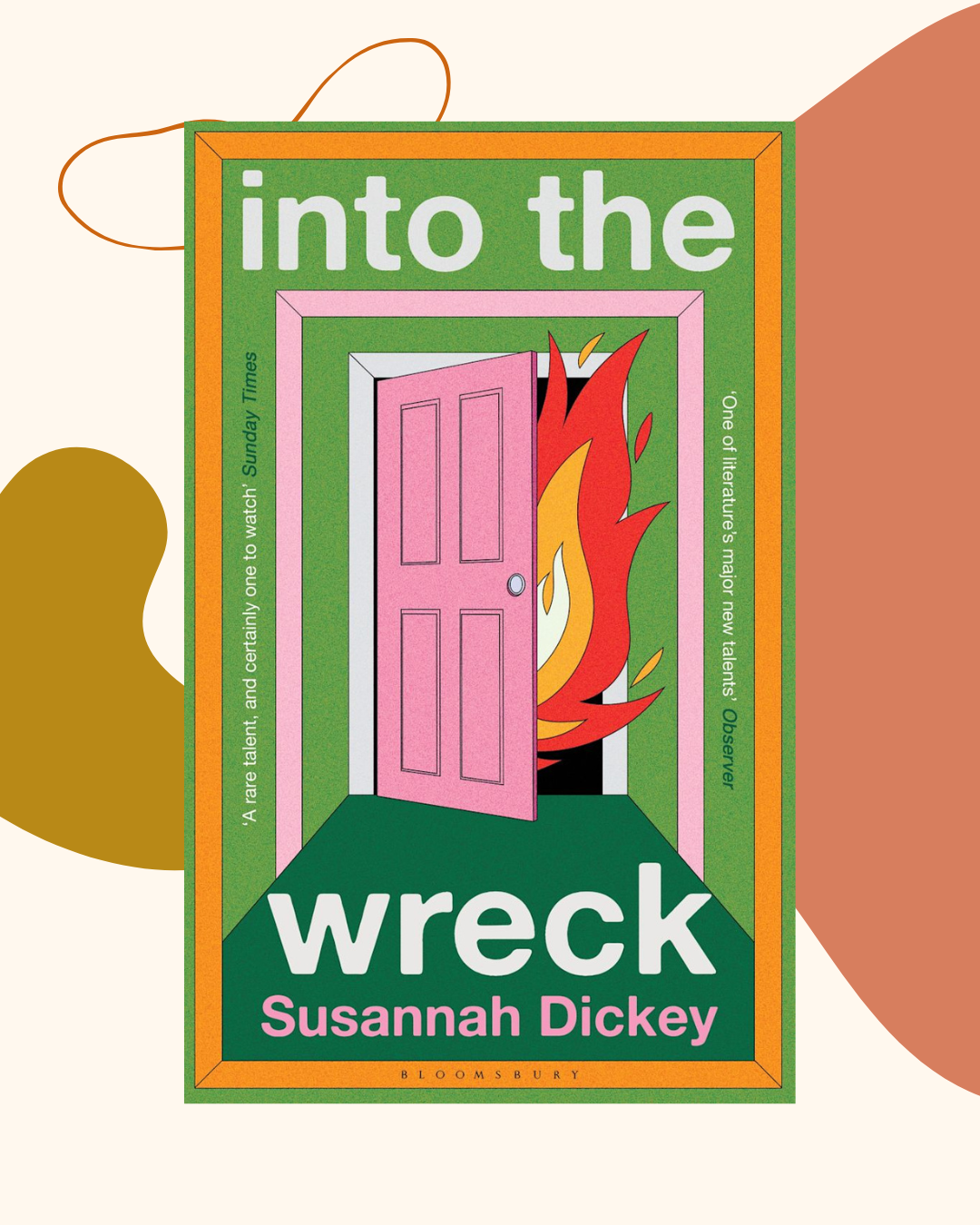
How do you mourn someone you never really knew? Three siblings – Anna, Gemma and Matthew – will have to work that out quickly.
Monday is the day of their gentle, but distant, father’s funeral, and for the first time in a long while they are under one roof with their mother, imperious Yvonne, awaiting the arrival of their aunt Amy, an award-winning poet. Yet, as the funeral looms, their everyday concerns refuse to diminish: will newly sex-obsessed Gemma work out what she wants from life, beyond her mother’s expectations? Can Anna maintain the fine balance between desire and nonchalance with her not-quite-exclusive boyfriend back in London? Will Amy’s past explode the relationships of the present? And, crucially, will Yvonne pull off her grand, post-funeral family dinner, the solution to what she fears may be an unsolvable problem? Told from five perspectives, into the wreck worries at the knotty complexities of one family’s bonds, written with Susannah Dickey’s trademark empathy and wit.
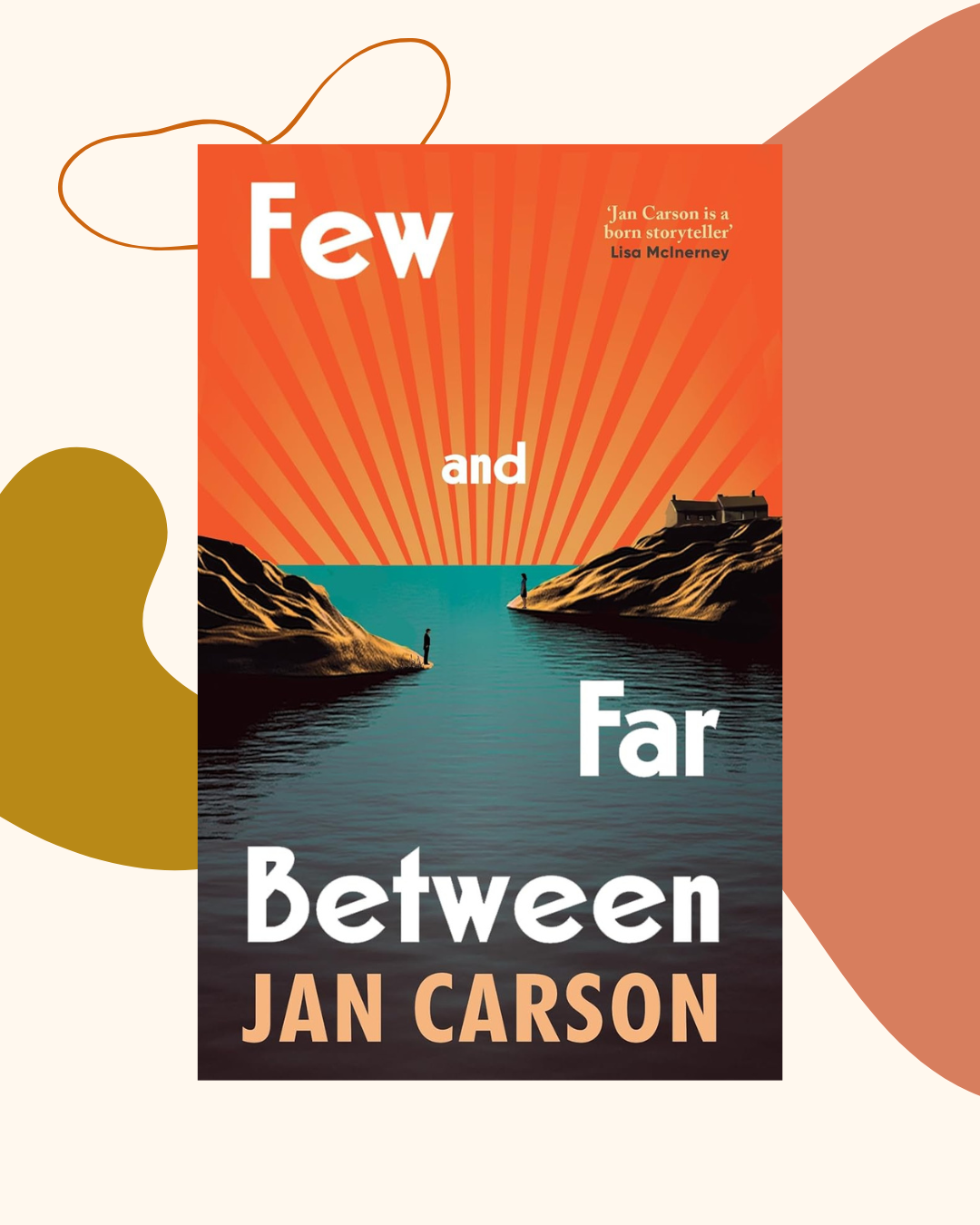
It’s summer 2017 and the last few residents of the Lough Neagh Archipelago are facing imminent eviction. The flood planned to combat a devastating algae outbreak will submerge their homes, forcing them back to the Mainland for the first time in fifty years.
Robert-John and Marion Connolly came to the islands as children in the 1970s, following their mercurial father, an anthropologist studying the unique society that had developed there. For many, the Neagh Archipelago represented a utopia, a chance to be free of the prejudices and history of Troubles era Northern Ireland. But perhaps this utopia wasn’t all that it seemed.
Marion and Robert-John have grown accustomed to their haunted existence on the Ark, monitoring the mysterious Far Side, where ghostly figures linger and the land swallows secrets whole. How will they cope with a new life on the Mainland? Is it possible to leave the past behind? And will the Ark ever let them go?
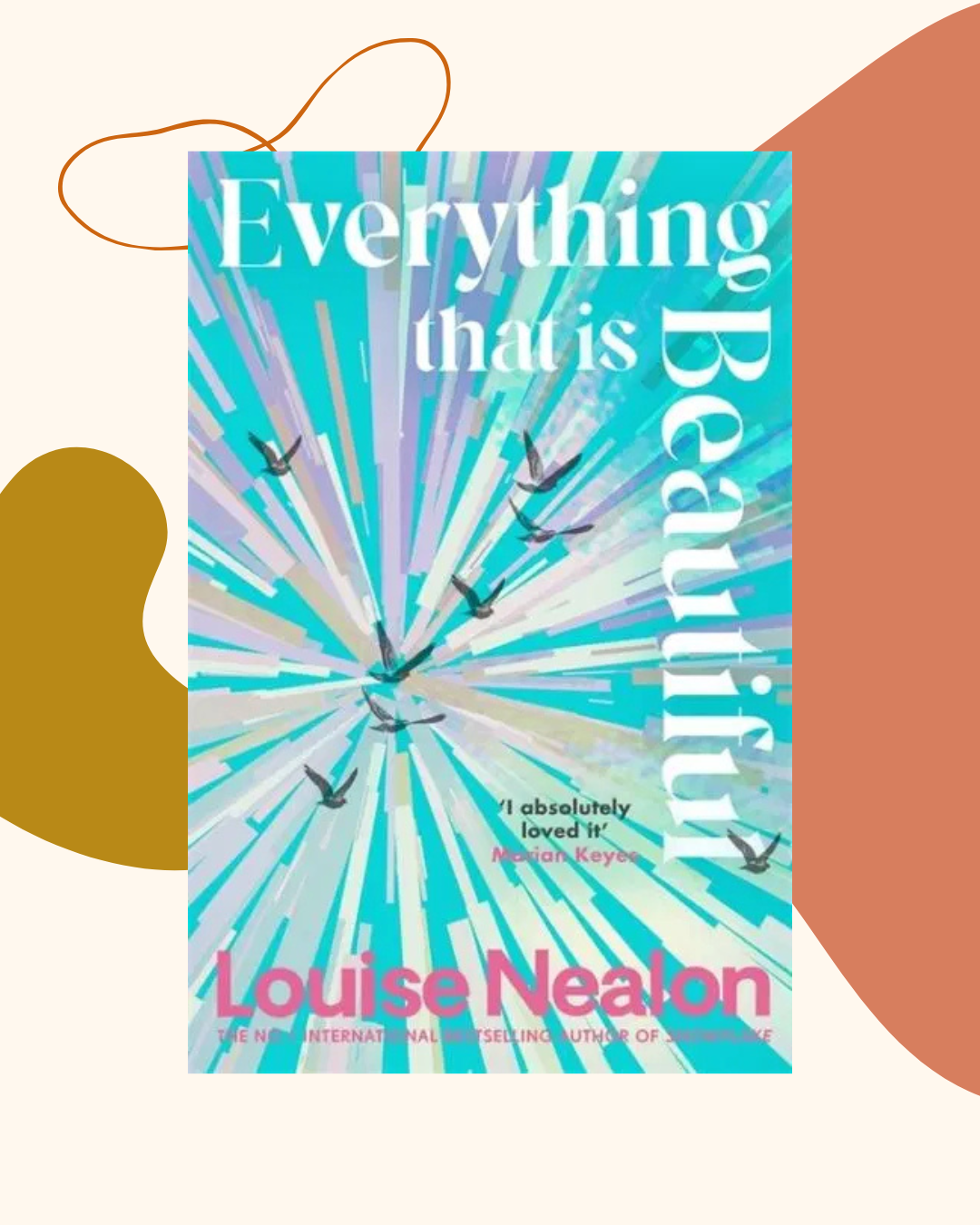
For Niamh Ryan, the Foleys are family. Her childhood flew by on their farm, playing with her best friend Peter and his sister Kate - all the while being doted on by their mother Helen and coached by their father Liam, a legendary former hurling player.
Now, following a distressing series of events, the family ties are strained. Niamh receives drunken phone calls and messages from Peter who can't understand what derailed their burgeoning relationship three years ago. Meanwhile, Helen Foley is trying her best to escape her life by checking into guesthouses under the names of women she went to school with.
In her life in Belfast, Kate is attempting to hold down a job and a relationship while carrying the weight of the family's secrets, and feeling like she is the one to blame. As a family wedding looms, and the women find themselves face to face, the knotty love that still binds Niamh, Helen and Kate might just bring them back together again. Told through the perspectives of three very different women, Everything That Is Beautiful unfolds the story of one complicated family in startlingly honest prose.
By turns funny and deeply moving, and with unmatched emotional intelligence, this is an unforgettable story of love and family, heartbreak and hope - and who we might become after we pick up the pieces.
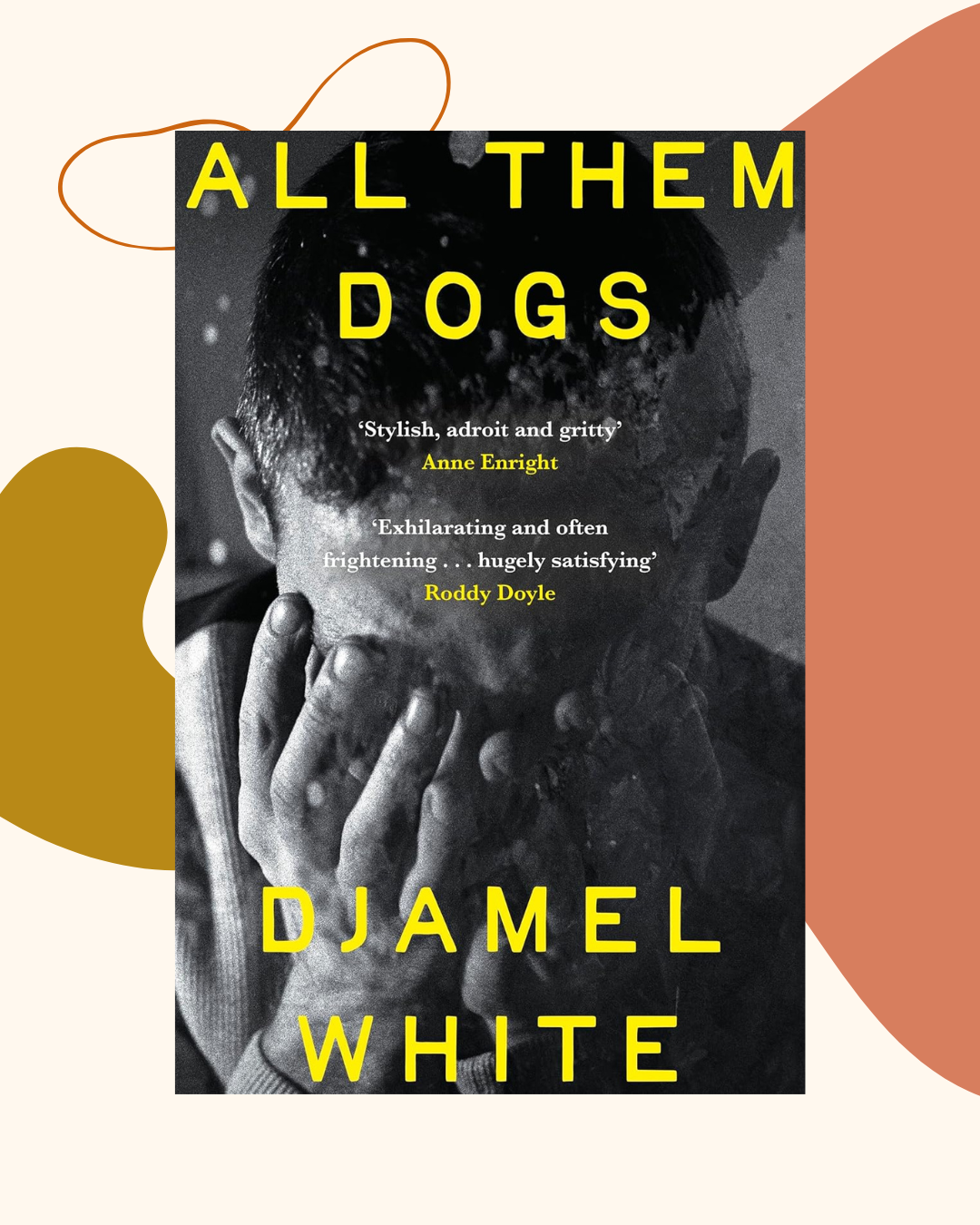
Things are different since Tony Ward landed back in town. The West Dublin gangland has changed. His old mentor is dead, and his best pal Kenny Boyle is on the straight and narrow.
After five years keeping quiet across the way, Tony is keen to reinstate himself, and when the opportunity arises to work side by side with Darren 'Flute' Walsh, a top enforcer of notorious crime boss Aengus Lavelle, it feels like a no brainer. Biting off more than he can chew has never bothered Tony Ward, but Flute Walsh is not the meek, quiet boy Tony remembers from school. Brooding, stoic, and unpredictably dangerous, Tony finds himself drawn to his new associate in more ways than one.
With retribution from his past actions always close in the rear view, the protection offered by Flute's standing in the gang is crucial. But how safe is Tony really, when a mutual attraction starts to complicate matters?By turns savage, thrilling and unexpectedly tender, All Them Dogs is a gripping story of violence, lust, and greed that explores one man's struggles to find his place in an unsparing world.
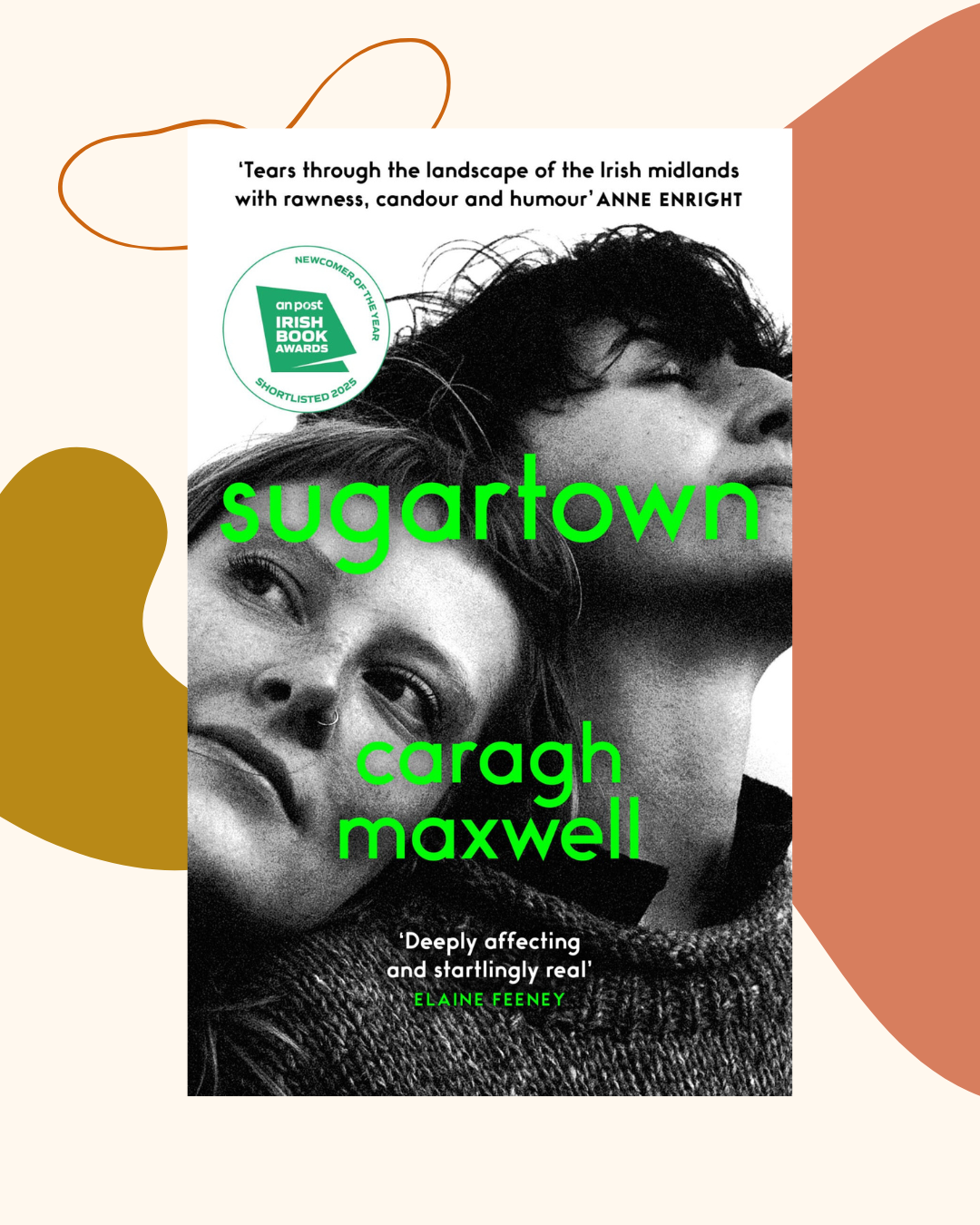
What do you do when you've ruined your life? You go home to your mother, if you're lucky enough still to have one. Saoirse Maher wouldn't recommend it. Leaving home wasn't supposed to be temporary.
When she moved to London, Saoirse was leaving Ireland behind for good, and with it her messy, broken family. But it turns out that starting again isn't as easy as she imagined, and when her five-year relationship goes south, Saoirse finds herself out of options. And so here she is, trudging back to her mother Máire's house up a side road on the outskirts of Irish civilisation. Except the world she comes back to is nothing like the one she left behind.
Her mother has a new family, and everyone else seems to be moving on. But between the drinking, drugs, and an entirely healthy, not-problematic-at-all-thanks relationship with Charlie, there's plenty to distract her. Don't look too closely, and everything's fine.
Saoirse is just fine.
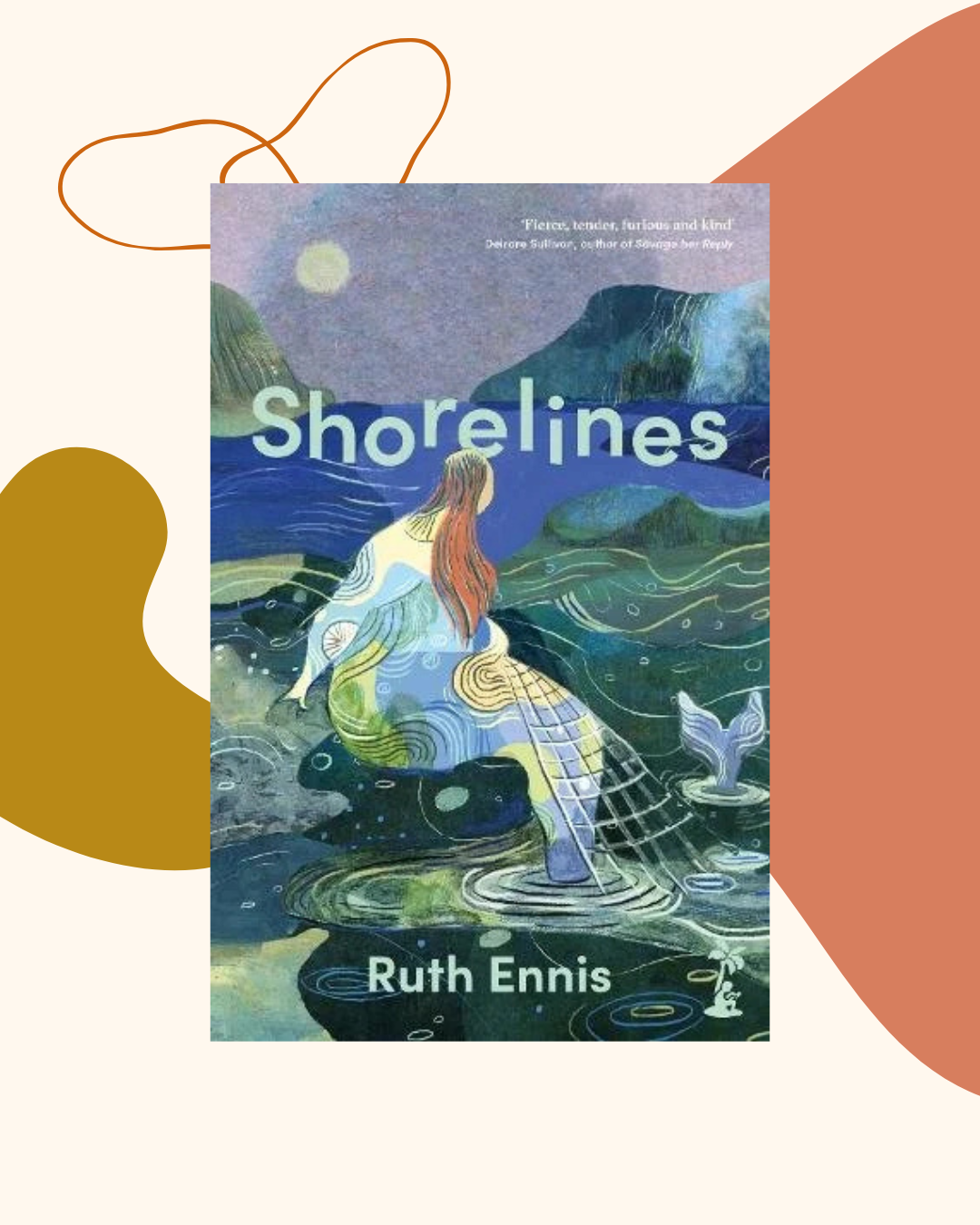
When proud mermaid Muireann flees her climate-ravaged ocean in search of hope on land, she confronts human cruelty and body-shaming as she struggles to find her true home and voice. Caught between a dying ocean and a divided world, she must grapple between the sea that made her and the surface that might break her – in this stunning verse novel that reimagines The Little Mermaid.
Muireann is a mermaid – fierce, curious and proud of the body that keeps her warm beneath the waves. But life in the ocean is becoming impossible. The merfolk are at war with the human ramifications of climate change: food is scarce, and her twin sister has been killed in a mass-fishing net. With her mother lost in grief and her world falling apart, Muireann longs to escape to the surface to find some answers. But the human world isn’t the haven she hoped for. It’s colder, crueller – and here, her large body is seen not as strength, but as something to be ashamed of.
In this beautiful novel in verse, Muireann must find her voice and fight for where she belongs – whether that be beneath the waves, or above them.
Set during a single twelve-hour night shift in a factory, plastic is a book-length poem exploring the life of the industrial worker turned poet. Bringing together memoir, ekphrasis and satire, plastic is based on Matthew Rice’s experience working in a plastic moulding factory for ten years. Illustrating alienated twenty-first-century Irish labour in poetic form, plastic engages with the inflictions and implications of a ‘post-industrial’, ‘post-Troubles’ society, all while weaving in depictions of factory work from literature, film and the visual arts.
Time-stamped to highlight the claustrophobia of the worker’s experience, this is a poem about feeling a calling while being submerged in the world of menial labour – making plastic airplane parts by night, making poetry by day, uniting what Jacques Rancière calls the ‘labourers in love with the intellectual nights’ and those ‘intellectuals in love with the toilsome and glorious days of the labouring people.’ plastic’s evocation and lucidity moves with grace through working class realities and hopeful imaginings.
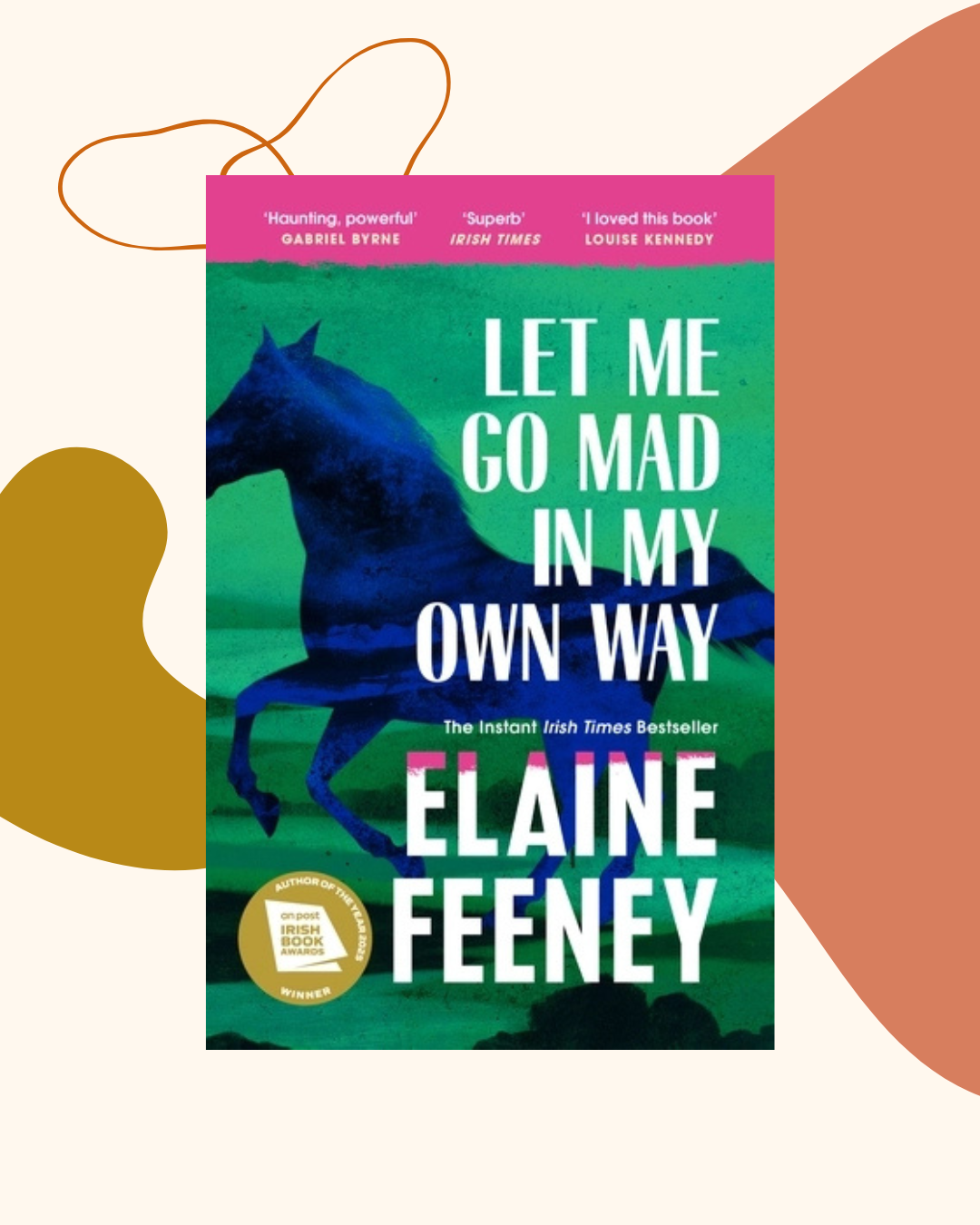
Claire O’Connor’s life has been on hold since she broke up with Tom Morton and moved from London back home to the rugged West of Ireland to care for her dying father. But glimpses of her old life are sure to follow when Tom unexpectedly moves nearby. As Claire is thrown into a love she thought she’d left behind, she questions if Tom has come for her or for himself.
Living in her childhood home brings its own challenges. While Claire tries to maintain a normal life – getting lost online, going to work and minding her own business – Tom’s return stirs up haunting memories trapped within the walls of the old family house. Let Me Go Mad in My Own Way is a story of love and resilience, rich with history and drama, and the legacies of violence and redemption.
As the secrets of the past are revealed, Claire must confront whether she can escape her history to make a future for herself.
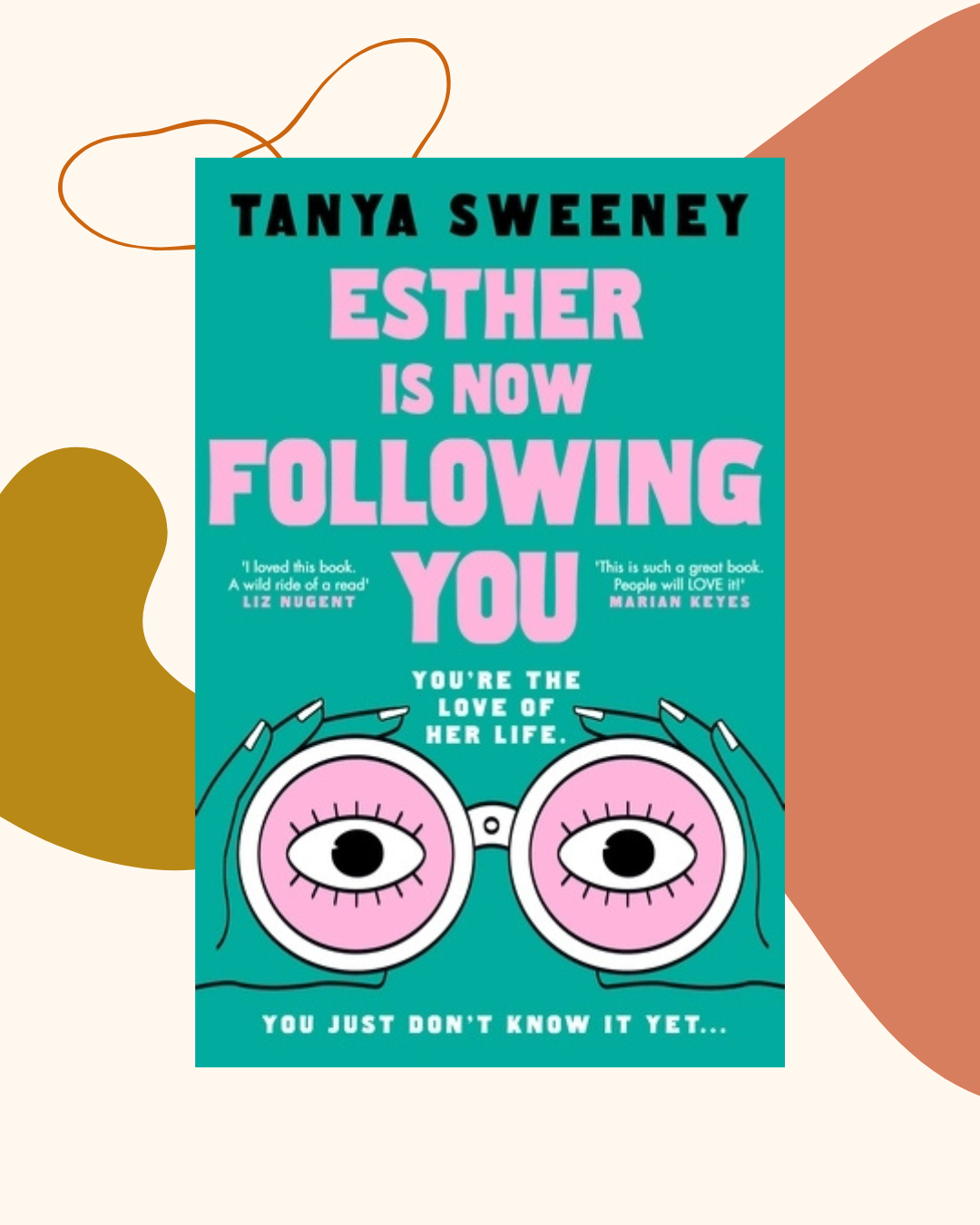
You're the love of Esther's life. You just don't know it yet...
Esther first sees Ted walking in a park in London. They lock eyes and for a fraction of a second, she feels something she’s never felt before. She starts by reading up about his life in Canada and his work as an actor.
Then she watches every interview with him online. It isn’t long before she’s joined Ted’s fan site online where her and the ‘Tedettes’ stalk his every move. When Ted gets a new celebrity girlfriend, Esther decides that things have gone far enough.
She leaves her husband, takes all their savings, and buys a one-way ticket to Canada. After all, Ted might not know it yet, but they are meant to be together – he just needs a little bit of persuading...
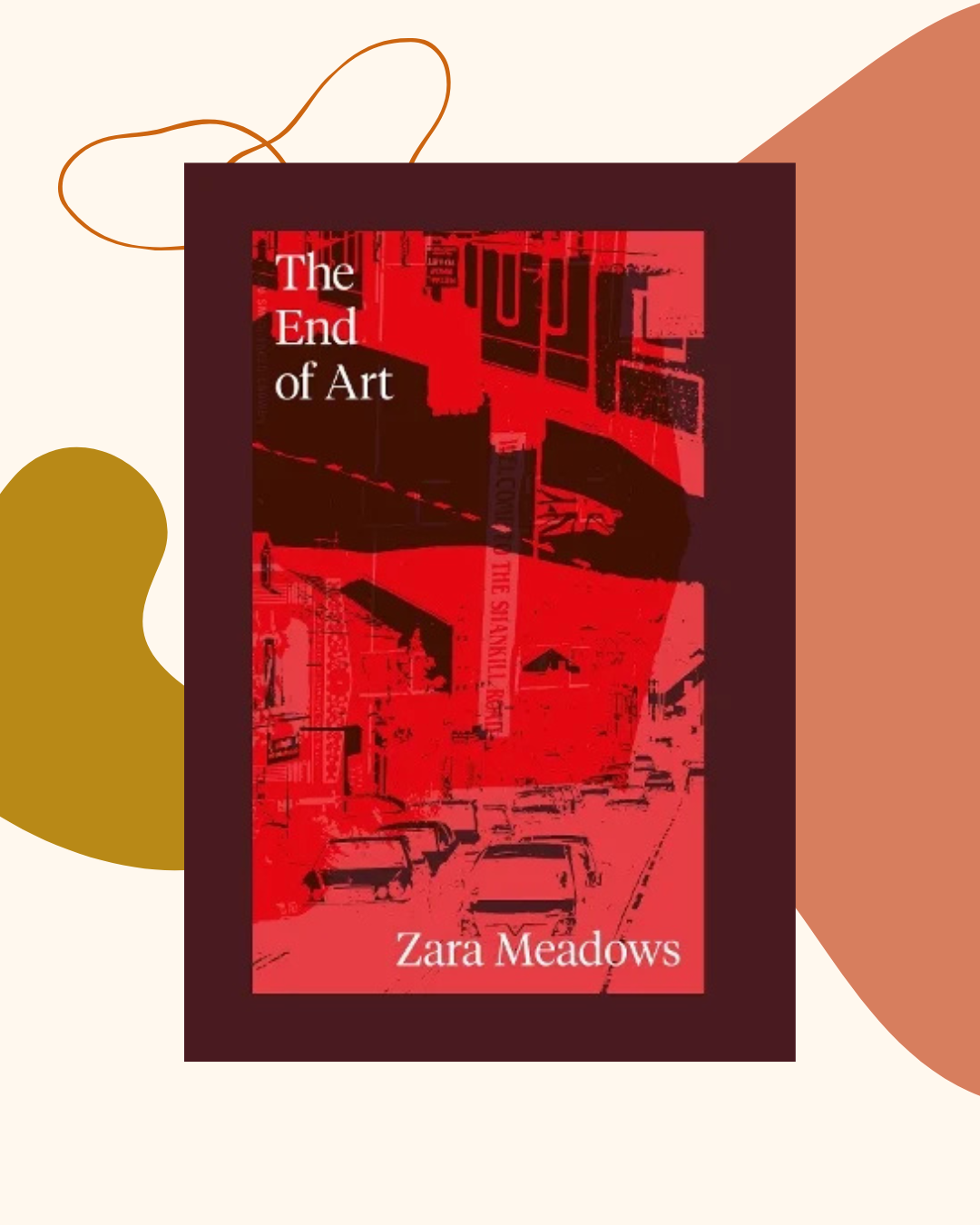
In The End of Art Zara Meadows writes about love, queer identities, and family connections alongside a redrawing of contemporary Belfast.
These poems couldn't be written from anywhere other than Belfast - Zara's hometown and base - offering a modern take on the city without forgetting its histories.
In doing so, Meadows also simultaneously looks at forging their own identity alongside the changing city; these poems might be haunted by ghosts that the poet lives alongside, but they're also full of humour and tenderness.
‘Mícheál McCann’s debut collection, Devotion, is a stately book — courtly, even.’ So wrote Declan Ryan in The Irish Times. In that rapturously received first book the author applied a modern setting, sensibility and set of references to a classic Irish lament. In Lives of the Saints he builds on biographical details of Christian figures and situates them in contemporary states of experience and emotion. Centrepieces of this eclectic collection are an ode to a recycling centre and ‘The Impossible Request’ in which the poet’s grandmother forgets that he has told her that he is gay (‘I know, pet, I know’) and asks if he has any girlfriends yet. Assured in its risks, vigorous in its enthusiasms, from its first ecstatic injunction Lives of the Saints is a collection to make one think and feel, then think again.